Healthy eating for kids can feel overwhelming. There’s advice everywhere about sugar, snacks, protein, vitamins and picky eating, and much of it contradicts itself. As parents, we just want to know: what does a healthy diet for my child actually look like, and how do I make it happen without daily battles?
This guide brings everything together in ten simple steps, based on NHS advice. Each step links to a more detailed article, so you can dive deeper into whatever matters most to your family right now.
Key takeaways
- Healthy eating for kids is about balance and variety across the week, not perfect meals.
- Base meals on starchy foods, fruit and vegetables, protein and dairy.
- Water and milk are the best drinks; keep sugary foods and drinks as occasional treats.
- Regular meals, family mealtimes and a relaxed approach matter as much as the food itself.
Step 1: Understand the food groups
From around the age of five, children can follow the same balanced diet recommended for adults in the NHS Eatwell Guide. Younger children eat the same food groups, with a few differences (such as full-fat dairy for under-twos). The main groups are:
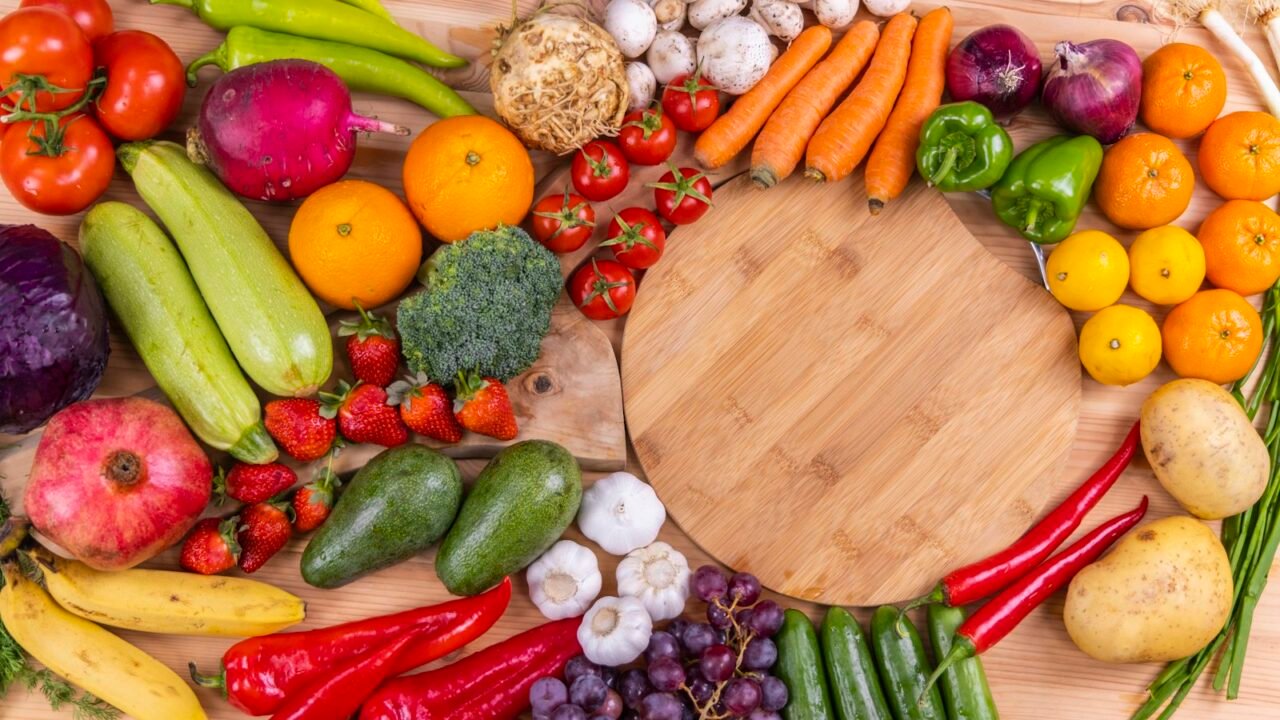
- Fruit and vegetables: at every meal.
- Starchy foods: bread, rice, pasta, potatoes and cereals, ideally including wholegrains for over-twos.
- Protein: beans, pulses, fish, eggs, meat and tofu.
- Dairy and alternatives: milk, cheese and yoghurt, or fortified plant alternatives.
Our guides to protein for kids, fibre for kids and healthy fats for kids explain each one in detail.
Step 2: Aim for five a day
Children should eat at least five portions of a variety of fruit and vegetables a day. A child’s portion is roughly what fits in the palm of their hand. Fresh, frozen and tinned all count. See our tips on vegetables for kids and the eat the rainbow challenge.
Step 3: Get the key nutrients right
Two minerals deserve special attention in healthy eating for kids: iron, for energy and growth, and calcium, for strong bones and teeth. Read our guides to iron for kids and calcium for kids. The NHS also recommends daily vitamin A, C and D supplements for children from six months to five years old.
Step 4: Serve child-sized portions
Children need much smaller portions than adults, and their appetite varies from day to day. Use your child’s hand as a simple guide, start small and let them ask for more. Our portion sizes for kids guide explains how.
Step 5: Make water and milk the main drinks
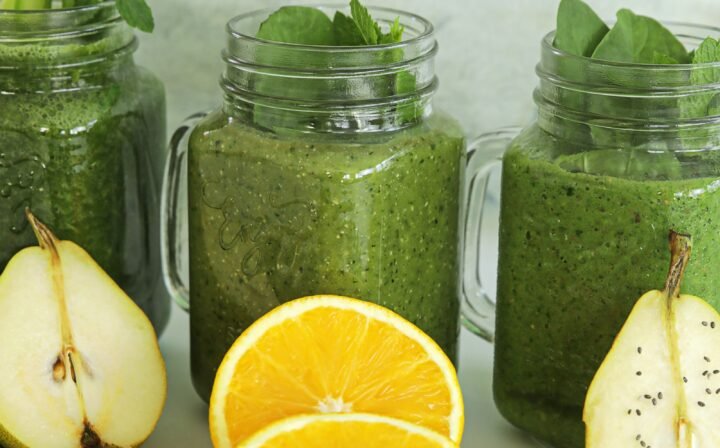
Drinks are a big part of healthy eating for kids. Water and milk are the best everyday choices. Keep fruit juice and smoothies to a small glass with a meal, and avoid fizzy and sugary drinks. Read our guide to the best drinks for kids.
Step 6: Cut back on sugar and salt
Children in the UK often eat more sugar and salt than is recommended. Focus on drinks, breakfast cereals and snacks first, and don’t add salt to children’s food. See how to reduce sugar for kids.
Step 7: Plan meals and snacks
Regular meals and two or three planned snacks give children steady energy and help them come to the table hungry. Ideas to help:
- Healthy breakfast ideas for kids
- Healthy lunchbox ideas and lunchbox snacks
- Healthy after-school snacks and toddler snacks
- Family dinner ideas and budget family meals
Step 8: Make it easy with prep
Healthy eating for kids is much easier when the healthy choice is the quick one. A little planning goes a long way: try our one-hour meal prep plan, batch cooking guide and freezer meals for kids.
Step 9: Handle picky eating calmly
Fussy eating is a normal stage for many children, especially between two and five. Pressure and bribes usually backfire. Instead, offer variety without pressure, include a safe food on every plate and keep offering new foods. Our guides can help:
- The picky eater survival guide
- The division of responsibility
- Food chaining and trying new foods
- Hiding vegetables in kids’ food
Step 10: Eat together and involve kids
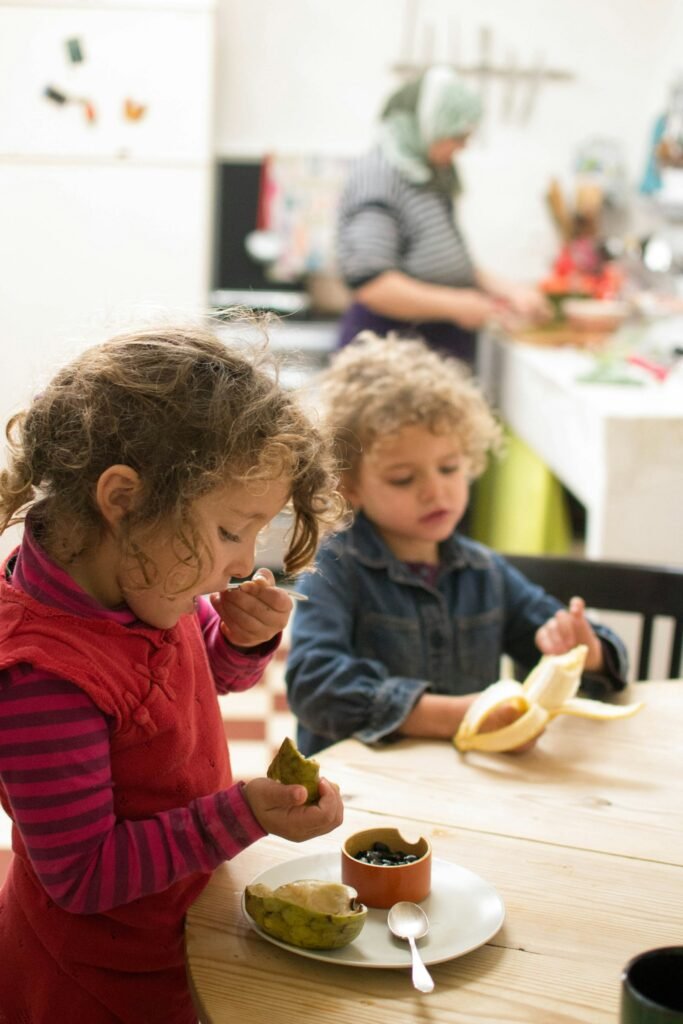
Family mealtimes and cooking together are two of the most effective ways to encourage healthy eating for kids. Children who help in the kitchen are more likely to try new foods, and children who eat with their family see healthy habits modelled every day. Read about the benefits of family mealtimes, cooking with kids by age and baking with kids.
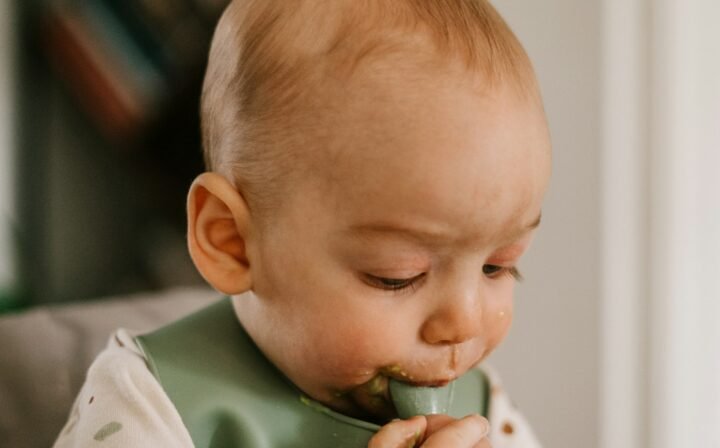
Healthy eating for kids by age
| Age | Focus | Read next |
|---|---|---|
| 6 to 12 months | First tastes, textures and allergens | First foods for baby, baby led weaning |
| 1 to 3 years | Family food in small portions, regular routine | Toddler meals |
| School age | Balanced lunches, snacks and drinks | Bento lunch ideas, lunchbox food safety |
| All ages | Allergy awareness | Food allergies in kids |
You’ll also find practical tools in our parent toolkit, including a printable rainbow chart and a sample week of meals.
A simple day of healthy eating for kids
Here’s what a balanced day can look like for a school-age child. It’s a guide, not a rule, and every family’s version will look different:
- Breakfast: porridge made with milk, topped with berries, and a glass of water.
- Morning snack: an apple and a few cheese cubes.
- Lunch: a wholemeal wrap with chicken or hummus, cucumber sticks, a yoghurt and grapes.
- After school: veg sticks with a dip, or a banana and oatcakes.
- Dinner: lentil bolognese with pasta and peas, eaten together as a family.
Notice that healthy eating for kids doesn’t need special products or complicated recipes. It’s ordinary family food, offered regularly, with plenty of fruit and vegetables and water to drink. Over a week, small consistent choices like these add up to a genuinely healthy diet, and healthy eating for kids becomes simply the way your family eats.

Frequently asked questions
What is the most important part of healthy eating for kids?
Variety and routine. Offering a range of foods from all the food groups, at regular times, matters more than any single “superfood”.
Are treats allowed?
Yes. Healthy eating for kids includes room for treats. Keep them occasional and avoid using them as rewards.
When should I worry about my child’s eating?
Speak to your GP or health visitor if your child is losing weight, not growing as expected, eats a very limited range of foods or seems anxious about food.
The bottom line
Healthy eating for kids isn’t about perfection. It’s about offering balanced, varied meals at regular times, choosing water and milk, keeping sugar and salt in check, and creating a relaxed, positive atmosphere around food. Take it one step at a time, and use the guides linked above whenever you need a hand.
Sources and further reading