Protein for kids is one of those topics that worries parents, especially if they have a picky eater or a vegetarian child. Protein is essential for growth, muscles, skin and a healthy immune system, so it’s natural to wonder whether your child is getting enough.
The reassuring news is that most children in the UK get plenty of protein from a varied diet. In this guide, we explain how much protein kids need at each age, list 20 easy sources children actually enjoy, and share simple ways to add a little protein to every meal.
Key takeaways
- Children need roughly 15g to 28g of protein a day, depending on age.
- Most children get enough protein from a varied diet without special products.
- Good sources include eggs, dairy, beans, lentils, fish, meat and tofu.
- Spreading protein across meals and snacks helps keep children full.
Why protein matters for kids
Protein provides the building blocks (amino acids) that the body uses to grow and repair tissue, make enzymes and hormones, and support the immune system. Because children are growing quickly, protein for kids is important at every stage, from toddlerhood to the teenage growth spurt.
Protein also helps children feel full. A breakfast or snack with some protein, like yoghurt, egg or cheese, tends to keep hunger away for longer than one made only of sugary or refined carbohydrates.
How much protein do kids need?
UK reference nutrient intakes (RNIs), published by the British Nutrition Foundation, give the following daily amounts of protein for kids:
| Age | Protein per day | Roughly equal to… |
|---|---|---|
| 1 to 3 years | 14.5g | A glass of milk, an egg and a small portion of beans |
| 4 to 6 years | 19.7g | Yoghurt at breakfast, a cheese sandwich and fish at dinner |
| 7 to 10 years | 28.3g | Eggs on toast, a chicken wrap and lentil bolognese |
These numbers are smaller than many parents expect. One large egg contains around 6 to 7g of protein, and a 200ml glass of milk around 7g, so a typical day of family meals easily covers these amounts.
The NHS also gives a simple rule of thumb for young children: offer at least two portions a day of protein from vegetable sources (such as beans, lentils, chickpeas or tofu), or one portion a day from animal sources (meat, fish or eggs).
20 easy protein sources for kids
Animal protein
- Eggs: scrambled, boiled, poached or in an omelette.
- Milk: as a drink or in porridge and smoothies.
- Cheese: cubes, grated on pasta or in a toastie.
- Plain yoghurt: with fruit for breakfast or pudding.
- Chicken: in wraps, stir-fries or homemade nuggets.
- Turkey mince: in meatballs or bolognese.
- White fish: in fish pie or homemade fish fingers.
- Oily fish: salmon, sardines or mackerel, at least once a week.
- Tuna: in pasta bakes or a jacket potato.
- Lean beef or lamb: in stews and burgers.
Plant protein for kids
- Lentils: in soups, dhal and bolognese.
- Chickpeas: in hummus, curries or roasted as a snack.
- Baked beans: choose reduced salt and sugar.
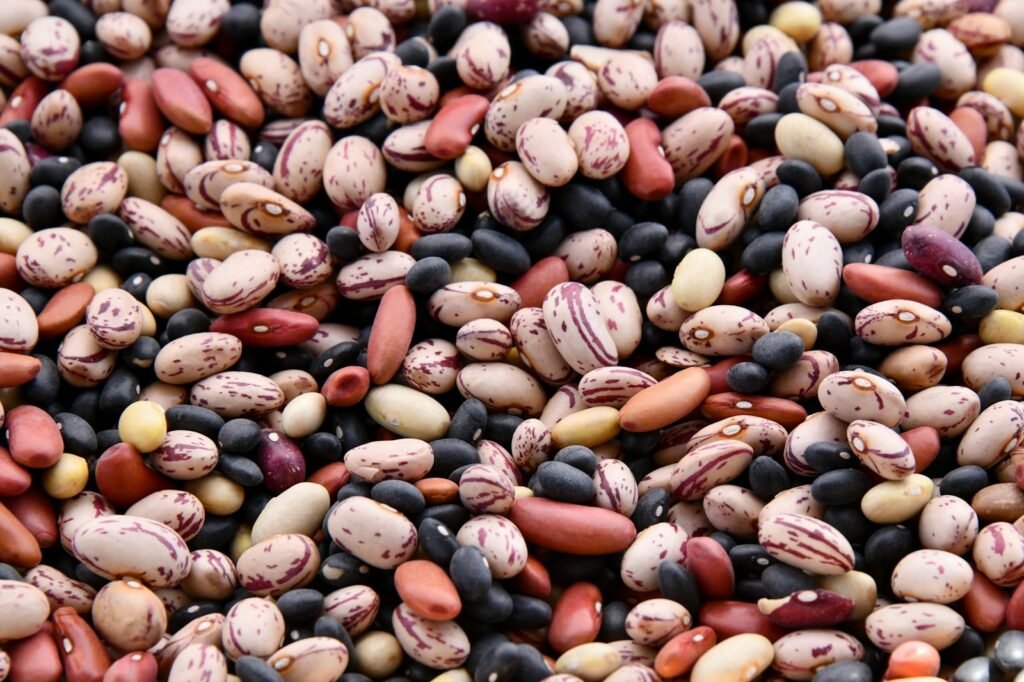
- Kidney and black beans: in chilli, burritos and quesadillas.
- Tofu: baked in cubes or scrambled.
- Edamame beans: a fun, poppable snack.
- Peas: surprisingly high in protein for a vegetable.
- Smooth nut butters: spread thinly (never whole nuts for under-fives).
- Ground seeds: sprinkled on porridge or yoghurt.
- Soya yoghurt and fortified soya drink.
Protein for kids at every meal
You don’t need to plan protein carefully if you include a little at each meal. Here’s what a simple day might look like:
- Breakfast: porridge made with milk, or eggs on toast. Our Spinach Monster Pancakes include egg and milk.
- Lunch: a tuna, egg or hummus wrap, or a chicken and rice bento.
- Snack: cheese and crackers, yoghurt or roasted chickpeas.
- Dinner: fish, chicken, beans or lentils with vegetables and a starchy food, like our Hidden-Veggie Mac and Cheese.
For more breakfast ideas, see our healthy breakfast ideas for kids.

Protein for vegetarian and vegan kids
Vegetarian children can get plenty of protein for kids’ needs from eggs, dairy, beans, lentils, tofu and soya products. Vegan children can too, but their diets need more planning to make sure they also get enough iron, calcium, vitamin B12, iodine and omega-3 fats. Combining different plant proteins across the day, such as beans with rice or hummus with bread, helps provide a good mix of amino acids. If your child follows a vegan diet, it’s a good idea to speak to your GP or a registered dietitian.
Iron is especially important for children who don’t eat meat; read our guide to iron for kids for the best plant sources.
Do kids need protein shakes or bars?
No. Protein for kids should come from food: protein shakes and high-protein bars are designed for adults and aren’t necessary for children, who can easily meet their needs from ordinary food. Many protein bars are also high in sugar or sweeteners. Real food, like a glass of milk and a banana, makes a better post-sport snack.
Protein for kids who are picky eaters
Picky eaters often prefer plain, beige foods, but there’s usually still some protein for kids hidden in those favourites. Milk, cheese, yoghurt, bread and pasta all contribute. Try familiar formats first: cheese on pizza, egg in pancakes, lentils blended into tomato sauce. Our guide to food chaining can help expand a limited menu step by step, and our article on portion sizes for kids shows what a realistic serving looks like.
Quick protein for kids checklist
Not sure whether your child is getting enough? Run through this simple checklist. If you can tick most boxes on a typical day, protein for kids is very likely covered:
- A dairy food or milk at breakfast.
- A protein filling in the lunchbox, such as egg, cheese, chicken, tuna or hummus.
- A snack that includes protein for kids, like yoghurt or cheese and crackers.
- Beans, lentils, fish, meat, eggs or tofu at dinner.
Remember that protein for kids comes from lots of everyday foods, including bread, pasta and peas, so a varied plate does most of the work for you. If your child is unwell, very active or following a restricted diet, ask your GP or a dietitian whether protein for kids in your family needs any extra attention.

Frequently asked questions
Can kids eat too much protein?
Most children in the UK already eat more protein than they need, and that’s generally fine from food. There’s no benefit in adding extra protein supplements.
Is peanut butter good protein for kids?
Smooth peanut butter is a good source of protein and healthy fats. Spread it thinly for young children, and never give whole nuts to children under five because of the choking risk.
How much fish should children eat?
The NHS recommends at least one portion of oily fish a week for children. Boys should have no more than four portions of oily fish a week, and girls no more than two.
The bottom line
Protein for kids doesn’t need to be complicated. A varied diet with eggs, dairy, beans, lentils, fish, meat or tofu easily meets children’s needs. Include a little protein at each meal and snack, skip the supplements, and focus on familiar, tasty foods your family enjoys.
Sources and further reading