Skip to content
Yara's Way

For Parents 👨‍👩‍👧

Short on time? Here are the tools and activities we use every week to keep mealtimes healthy and the kids happily busy.

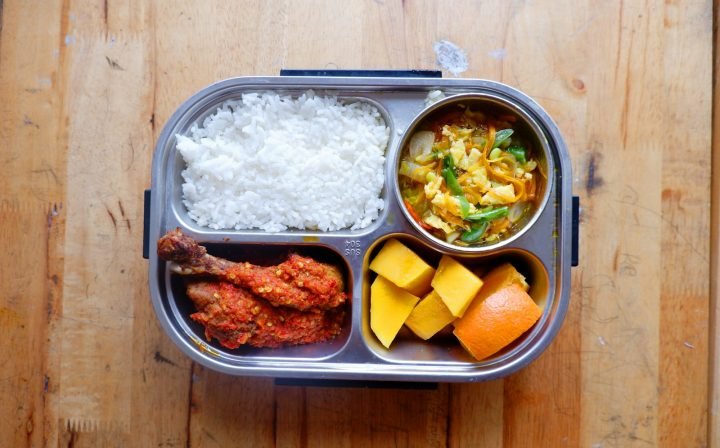
🍱 Lunchbox planning

Pick five lunchboxes on Sunday, then drop them into the free Meal Planner.

📊 Know the numbers

Every recipe card links each ingredient to its calories & macros.

🧠 Busy little hands

Quizzes and brain games that run themselves while dinner cooks.

Parent Guides 📚

Short, practical reads for real-life family mealtimes.

The Picky Eater Playbook

Calm, pressure-free ways to help children accept new foods.

Fussy eating is a normal stage for most young children, and it usually passes. The goal is not to win tonight's dinner, but to make new foods feel safe and familiar over weeks and months.

Five things that genuinely help

  1. Judge the week, not the meal. Children's appetites swing wildly from day to day. If they are active, growing and well, they are usually getting enough.
  2. Offer, don't push. Put a small amount of the new food on the plate next to a "safe" food they already like. If it is refused, remove it calmly and try again another day. It can take lots of attempts before a food is accepted.
  3. Eat together. Children learn by copying. Seeing you enjoy a vegetable is more persuasive than any bribe.
  4. Change the shape, not the food. A child who refuses cooked carrot might love grated carrot, carrot sticks or carrot in a "monster" sauce.
  5. Don't use food as a reward. "Eat your peas and you can have pudding" teaches that peas are a chore and pudding is the prize. Reward with a game or a story instead.

Try this tonight

Give your child a tiny "tasting plate" with three foods: two they love and one new one cut into fun shapes. Let them touch, smell and lick it. Tasting counts, even if it gets spat out.
The 5-Part Lunchbox Formula

A balanced school lunch in 10 minutes, every day.

Stop staring into the fridge at 7am. Every balanced lunchbox follows the same simple formula. Pick one item from each line and you are done.

  1. Energy: rice, pasta, a wholemeal wrap, pitta or crackers.
  2. Protein: chicken, egg, cheese, beans, hummus, tuna or tofu.
  3. Crunchy veg: at least two colours, cut into sticks or coins.
  4. Fruit: one juicy colour. Quarter small round fruit for little ones.
  5. Fun extra: a dip, a few crackers, or a homemade muffin.

Packing tips that save the day

  • Prep veg sticks on Sunday and keep them in water in the fridge. They stay crunchy for days.
  • Use an insulated bag and an ice pack for anything with meat, rice, egg or dairy.
  • Go small. A box that is too full can feel overwhelming to a small child.
  • Ask "which colour did you eat first?" instead of "did you eat your lunch?"

Little Chefs: Kitchen Jobs by Age

Kids who cook are more likely to taste. Here is where to start.

Children who help make a meal are far more willing to try it. Match the job to your child's age and skills, and always supervise around heat and knives.

  • Ages 2–3: wash fruit and veg, tear lettuce, tip pre-measured ingredients into a bowl, press the blender button (with you holding the lid).
  • Ages 4–5: stir batters, spread sauces and nut butters, sprinkle toppings, cut soft foods like banana with a child-safe knife.
  • Ages 6–8: crack eggs, measure with spoons and cups, grate cheese (watch fingers), build their own lunchbox from your prepped ingredients.
  • Ages 9–12: follow a simple recipe, use a real knife with a "claw grip", and start cooking on the hob with an adult nearby.

Make it easy on yourself

Choose one "kid job" per meal rather than handing over the whole recipe. A sturdy step stool, an apron and lowered expectations about mess go a long way.

Smart Snacking Without the Sugar Crash

When, what and how much — so dinner still gets eaten.

Little tummies need regular fuel, but constant grazing can spoil appetites for meals. Most young children do well with three meals and around two healthy snacks a day.

The snack formula

Pair something fresh with something filling. The fruit or veg gives a quick lift, and the protein or healthy fat makes the energy last.

  • Apple slices + a thin spread of nut or seed butter
  • Veg sticks + hummus or a yogurt dip
  • Banana + a small glass of milk
  • A homemade muffin + a few berries (quartered for little ones)

Timing matters

Try to leave about two hours between a snack and the next meal. If after-school hunger is huge, make the snack a little bigger and dinner a little smaller, rather than both.

Water is the best drink between meals. Even 100% juice and smoothies are best enjoyed with a meal, which is kinder to teeth.

Hidden Veggies, Honestly

Why we hide vegetables — and why we also show them.

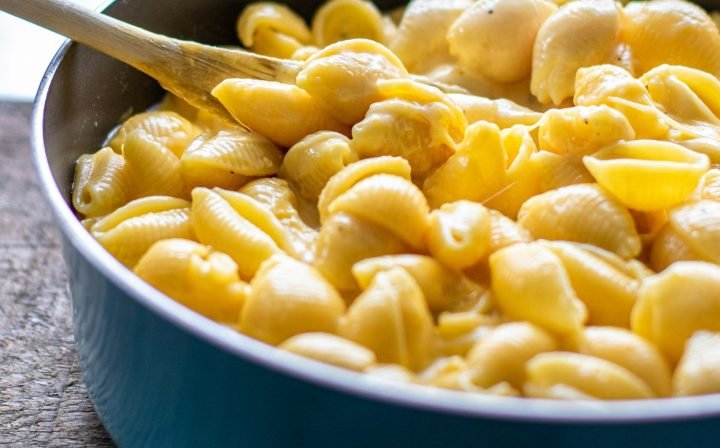
Blending squash into mac and cheese or beetroot into muffins is a brilliant way to add nutrition on hard days. But hiding vegetables works best as a bridge, not a permanent strategy.

Our "hide and show" approach

  1. Hide: use blended veggies in favourite foods, so everyday meals carry more nutrition with no battle.
  2. Show: at the same meal, put a small amount of the same vegetable on the side in its "real" form, with zero pressure to eat it.
  3. Tell: once a recipe is a firm favourite, let your child in on the secret. Many kids are delighted to learn they have been eating beetroot all along.

This way, children get the nutrition now and the familiarity they need to eat vegetables happily on their own later.

A Sample Week of Kid-Approved Meals 🗓️

Built from our own recipes. Print it for the fridge, or copy it into the free NutrientsCalculator Meal Planner and get a shopping list.

Open Meal Planner ↗

Tip: cook once, eat twice — leftover dinners make brilliant next-day lunchboxes.

The Rainbow Challenge 🌈

Can your family eat every colour, every day? Tap a box each time someone eats that colour. It saves on this device, and resets every Monday.

  • Red: strawberries, tomatoes, red pepper
  • Orange & Yellow: carrot, squash, mango, sweetcorn
  • Green: spinach, peas, cucumber, broccoli
  • Blue & Purple: blueberries, beetroot, red cabbage
  • White & Brown: banana, cauliflower, mushrooms, oats
Colour Mon Tue Wed Thu Fri Sat Sun
Red
Orange & Yellow
Green
Blue & Purple
White & Brown

🌟 0 / 35 colours this week

Finished the rainbow? Celebrate with a Bright Minds quiz ↗

Little Ones Safety Cheat Sheet 🛡️

The food safety basics worth sticking on the fridge.

Under 1

First-year basics

  • No honey until after their first birthday.
  • No added salt in baby food or cooking water.
  • Cut raisins and dried fruit into small pieces.
  • Cows' milk in cooking is fine; as a main drink from 12 months.
Under 5

Choking hazards

  • No whole nuts or popcorn.
  • Quarter grapes, cherry tomatoes, cherries and berries.
  • Use nut butter as a spread or in cooking, never by the spoonful.
  • Rice drinks are not a substitute for milk.
Every age

At the table

  • Sit children upright to eat and stay with them.
  • Cut food into narrow batons; remove pips, stones and bones.
  • Encourage slow eating and good chewing.
  • Check labels: many family foods are high in salt.

Maximum salt per day 🧂

1–3 years 2 g
4–6 years 3 g
7–10 years 5 g
11+ years 6 g (about 1 tsp)

Babies under 1 need very little salt — don't add any to their food.

This cheat sheet summarises UK NHS guidance and is general information, not medical advice. Always follow your paediatrician, GP or health visitor for your own child — especially around allergies.

Sources

Newest Recipes 🥣

See all recipes →

Parent Questions, Answered 💬

How many times should I offer a new food?

Keep going. It can take lots of relaxed attempts before a child accepts a new food, and tastes change over time. Offer a small amount alongside foods they already like, with no pressure, and try again another day if it is refused.

How many snacks does my child need?

Most young children do well with three meals and about two healthy snacks a day. Leave around two hours between a snack and the next meal so they arrive at the table hungry.

Is it OK to hide vegetables in food?

Yes, as long as you also show them. Hidden veggies boost nutrition on hard days, while seeing and tasting vegetables in their real form helps children learn to like them. We call it "hide and show".

Are smoothies healthy for kids?

Homemade smoothies with fruit, yogurt and a few greens can be a great breakfast or snack. They still contain natural fruit sugars, so serve them with a meal rather than sipping all day, and keep offering whole fruit too.

How can NutrientsCalculator help my family?

Every ingredient in our recipes links to the NutrientsCalculator food database, so you can see calories and macros in one tap. Its free Meal Planner and dashboard help you plan the week and keep track of what the family eats.

What is Bright Minds Quiz?

Bright Minds is our sister site with learning quizzes and brain games for children aged 3–14, such as Memory Match, Word Builder and Pattern Puzzles. They are perfect for keeping little ones busy while dinner cooks.