If you are a parent, you already know about the dinnertime battleground. It usually starts at around 5:30 every evening. You have spent the better part of an hour chopping, roasting and plating a beautiful, balanced meal. You set it down in front of your child.
And what happens next? The plate gets pushed away. Arms are crossed. Then comes the dreaded declaration: “I don’t like the green things.”
Welcome to the beige food phase. It is a rite of passage for almost every child, and a source of endless worry for parents who just want their kids to eat a vegetable before bedtime.
In our house the beige phase lasted months. The menu shrank to chicken nuggets, plain pasta, crackers and toast. A single speck of parsley could get an entire plate rejected.
We tried reasoning. We tried bribing. We tried “just one bite”. None of it worked, and it made mealtimes stressful for everyone at the table.
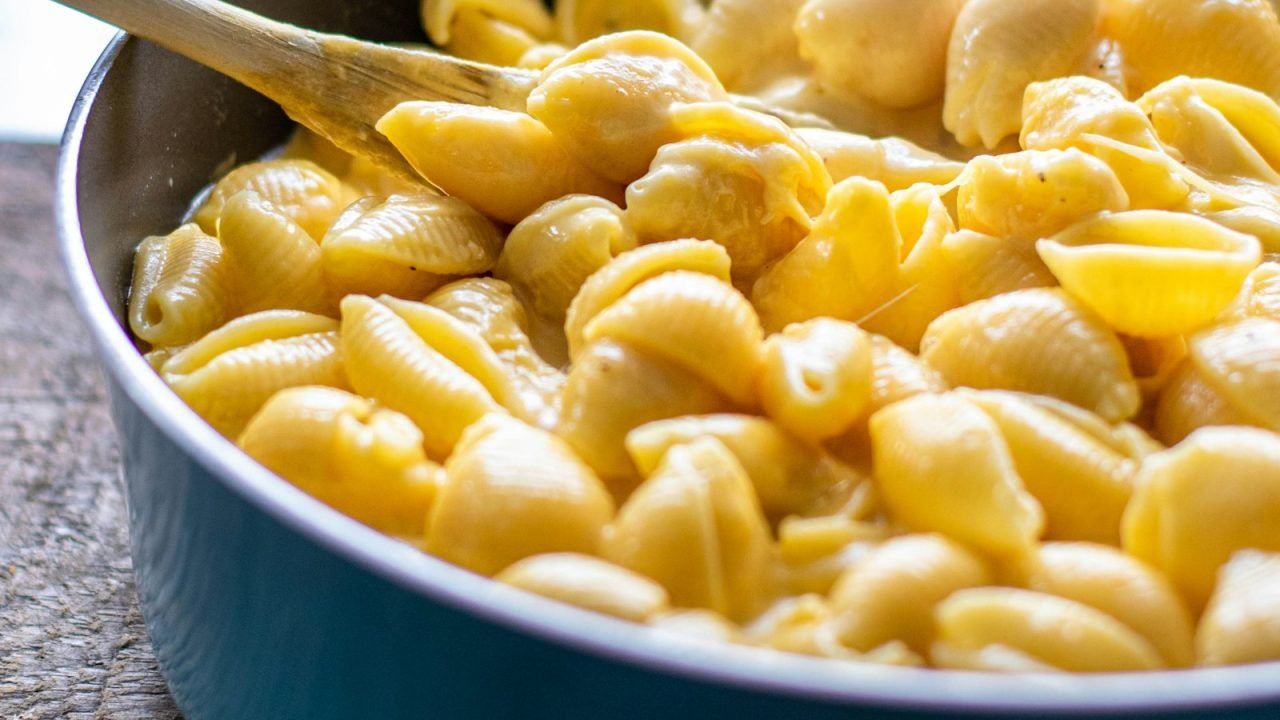
That is exactly why this Hidden-Veggie Monster Mac & Cheese became a lifesaver. It takes the comfort food almost every child loves and quietly fortifies it, blending nutrient-dense vegetables straight into the sauce.
To your child it looks like the boxed stuff they crave. It tastes rich, cheesy and satisfying. To you, it is a genuine parenting win: an empty bowl and a full serving of vegetables, with no tears and no negotiations.
The Secret Blend: Why Squash and Cauliflower?
The success of any hidden-veggie recipe depends on stealth. You cannot simply blend a handful of kale into cheese sauce and hope nobody notices.
Kids are smart. If their macaroni turns the colour of pond water, it is not getting eaten. The food has to match what they expect to see.
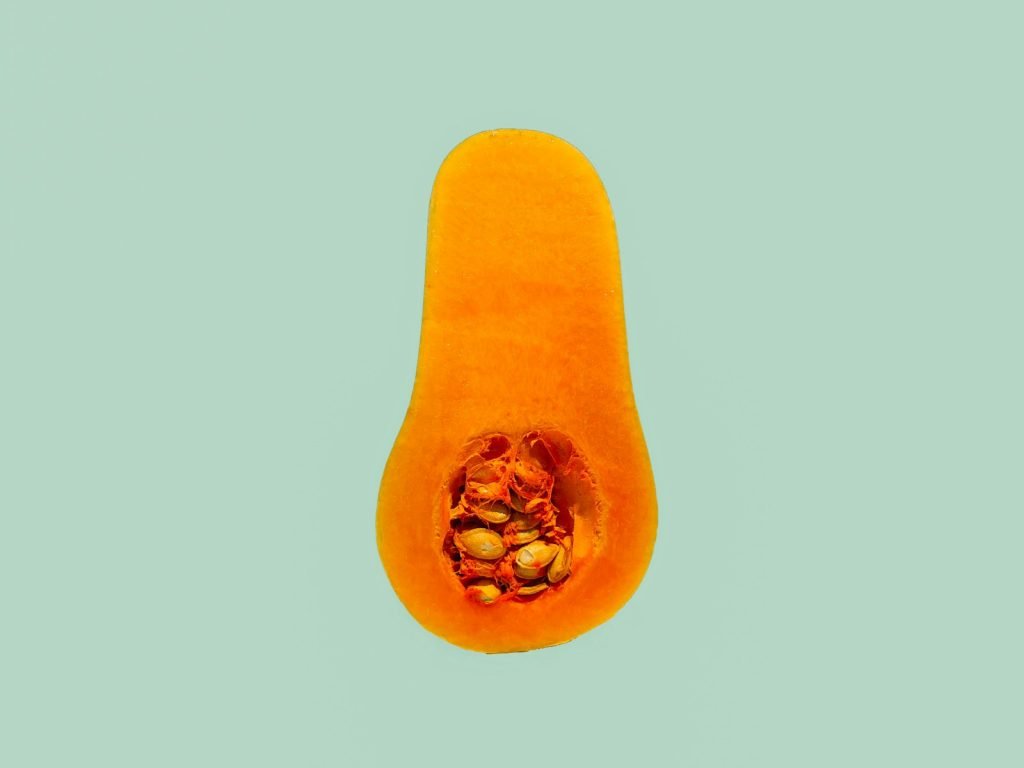
This is where our dynamic duo comes in. Butternut squash is the star. Cooked and blended, it turns into a silky, vivid orange purée that mimics the exact colour of a classic cheddar sauce, no food dye required.
It is also naturally a little sweet, which balances the sharpness of the cheese beautifully. And it brings vitamin A, vitamin C and potassium along for the ride.
Cauliflower is the stealthy thickener. Its flavour is very mild, and once it meets cheddar and a pinch of garlic powder it disappears completely.
Boiled until tender and blended, cauliflower turns creamy and velvety, doing the job of a traditional butter-and-flour roux. It adds body to the sauce and a little extra fibre to help keep small tummies full.
Step-by-Step Instructions
One of the best things about this recipe is that it needs no special skills. It was built for busy weeknights, when a toddler is clinging to your leg and dinner needs to happen in under 30 minutes.
What You Need (Ingredients) (serves 4)
Tap to check off as you cook!
Step 1: Prep and Boil the Veggies
Peel and cube the butternut squash, then break the cauliflower into medium florets. Do not worry about neat knife work. Everything is going into the blender anyway.
Drop the vegetables into a pot of boiling water and cook them until they are completely fork-tender. This usually takes about 15 minutes.
They need to be soft enough to mash with no effort at all. If they are even slightly firm, the sauce will be grainy, and children have a sixth sense for grainy textures.
Step 2: Cook Your Favourite Pasta
While the vegetables soften, bring a second pot of salted water to the boil for the pasta. Use whatever shape your child likes best.
Shapes with ridges or tubes are ideal. Elbows, shells and cavatappi all grab hold of the thick sauce far better than long, straight noodles.
Cook the pasta according to the packet, then drain it. Keep a small cup of the starchy pasta water aside in case the sauce needs loosening later.
Step 3: Blend the Magic Sauce
This is where the magic happens. Carefully move the hot, soft vegetables into a blender. Add the milk, the shredded cheddar, the garlic powder and a pinch of salt.
Put the lid on firmly (hot food expands, so hold a tea towel over the top) and blend on high until the mixture is perfectly smooth. It should look like liquid gold.
If it seems too thick, add a splash of milk or pasta water and blend again. Please do not skip the blender and reach for a potato masher. It will not get the sauce smooth enough to fool a picky eater.
Step 4: Combine and Serve
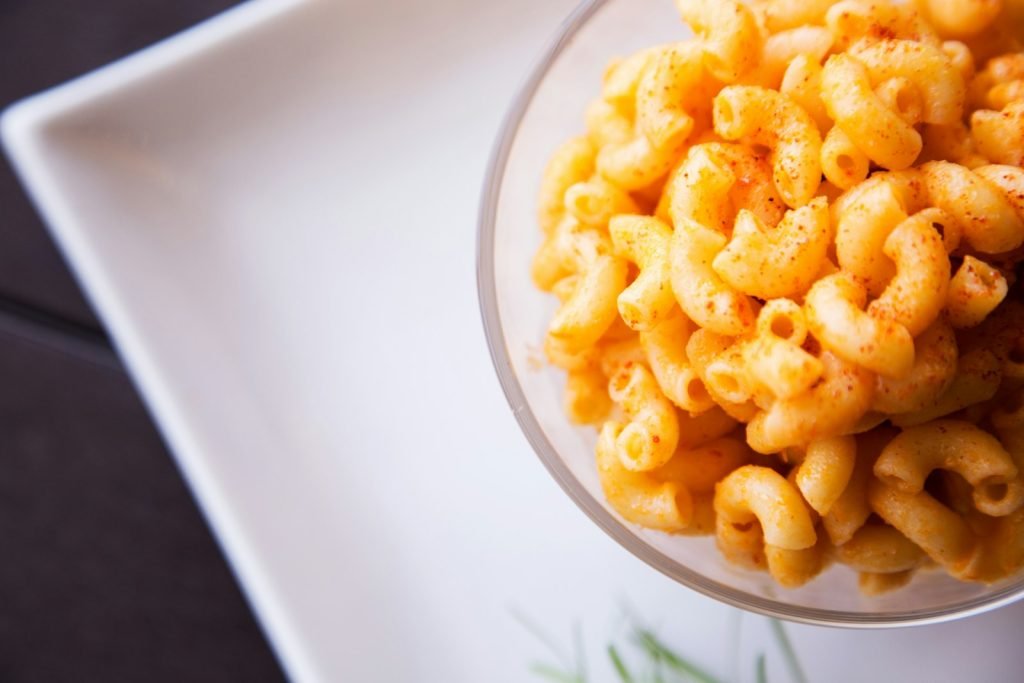
Tip the drained pasta back into the warm pot and pour the sauce over the top. Stir gently until every noodle is coated in that rich, orange sauce.
Serve straight away in their favourite bowl. If your kids like helping in the kitchen, let them do the stirring. Children who help make a meal are noticeably more willing to eat it.
Make It Your Own
Once this becomes a regular, it is easy to sneak in a little more variety without breaking the illusion.
- Sweet potato swap: Use sweet potato instead of butternut squash. The colour is just as convincing.
- Carrot boost: Add one small peeled carrot to the boiling pot. It deepens the orange colour beautifully.
- Protein add-in: Stir through shredded cooked chicken or a handful of white beans for older kids.
- Crunchy top: Spoon it into a dish, scatter with breadcrumbs and a little extra cheese, and grill for three minutes.
Storage and Make-Ahead
The sauce is the part worth making in advance. Blend a double batch and keep it in a sealed jar in the fridge for up to three days, or freeze it in portions for up to two months.
On a busy night, all you need to do is boil pasta and warm the sauce gently with a splash of milk. Leftover mac and cheese reheats well too. Add a little milk before microwaving so it stays creamy rather than stiff.
Is This Suitable for Little Ones?
Yes. Once your baby is happily eating a range of textures, a small portion of this pasta is a lovely family meal to share. For children under one, skip the added salt, as cheese already contains plenty.
Check with your paediatrician or health visitor if your child has a dairy allergy. In that case, a plant-based cheese and oat milk work, although the sauce will be a little less creamy.
Finally, remember that hiding vegetables is a bridge, not a destination. Keep putting whole vegetables on the table alongside meals like this one, without pressure. Repeated, relaxed exposure is what helps children learn to like new foods over time.
The nutrition figures for this recipe are estimates per serving. Tap the “Nutrition” button next to any ingredient to check exact values for the brands you use.
Yara's Pro Tip!
If your child is extremely suspicious of new foods, serve this exactly how you serve their usual boxed mac & cheese. Same bowl, same spoon, same spot at the table. Familiar presentation is half the battle.