There is a particular kind of heartbreak that only parents of school-age children know. It is opening a lunchbox at 3:30 in the afternoon and finding the sandwich you made at 7am, untouched, slightly squashed, and now mysteriously warm.
For a long time we thought the problem was the food. So we tried different breads, different fillings, different snacks. The lunchbox kept coming home full.
Then we noticed something. On the days our daughter ate everything, the food was not fancier. It was simply laid out so she could see it, in small pieces, with lots of colour and a dip to play with.
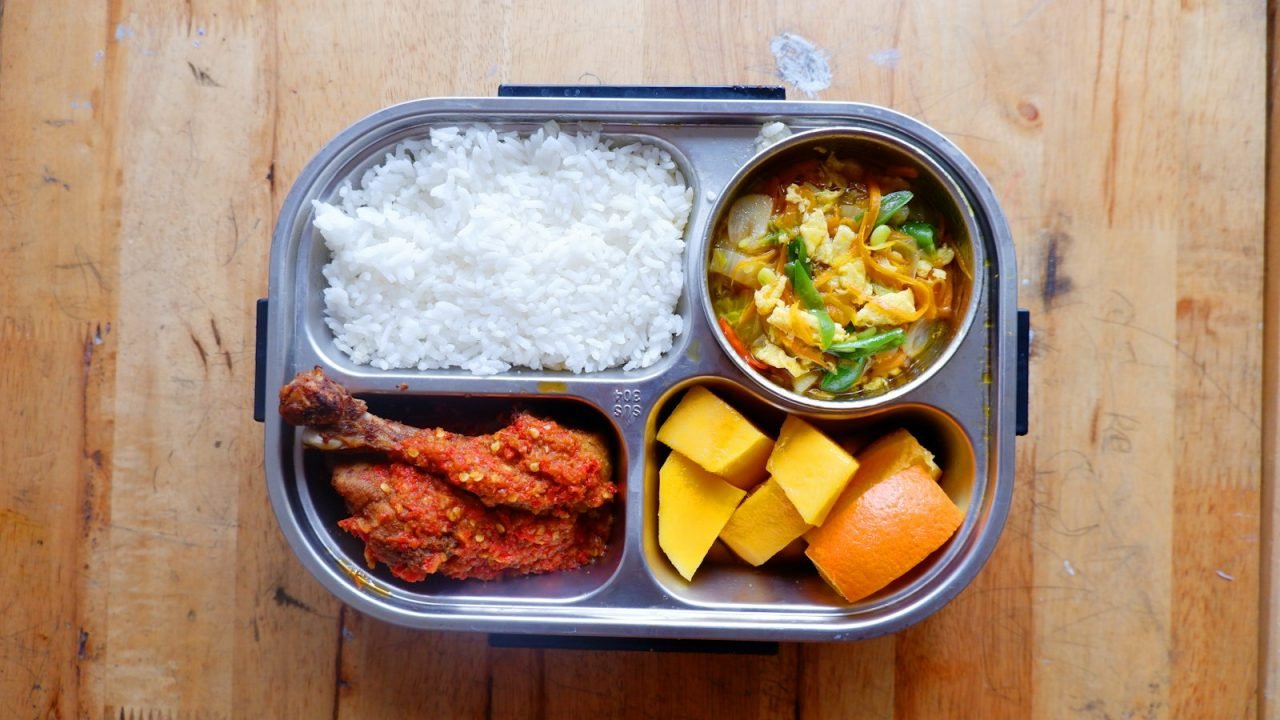
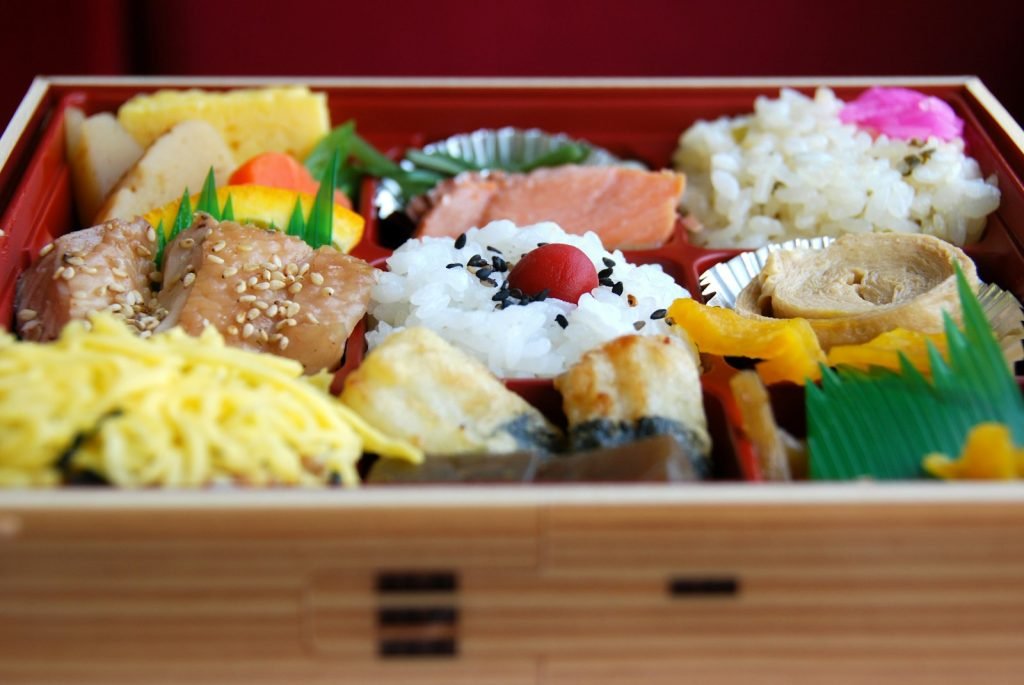
That is the idea behind the bento lunchbox. Inspired by Japanese bento, it puts small portions of several foods into separate compartments, so nothing touches and everything looks inviting.
This Rainbow Chicken & Rice Bento is our everyday version. It uses leftovers, takes ten minutes, and turns “eat your vegetables” into a game of “can you eat the whole rainbow?”
Why the Bento Approach Works for Kids
Children eat with their eyes long before they taste anything. A single big sandwich can feel like a mountain to climb. Six small, colourful sections feel like a buffet built just for them.
Separate compartments also solve one of the biggest picky-eater complaints: foods touching. Each item stays crisp and distinct, so the cucumber never goes soggy and the tomatoes never stain the rice.
There is good nutrition logic here too. Aim for a little of each food group in every box:
- Energy: rice, pasta, wraps or crackers.
- Protein: chicken, egg, cheese, beans or tofu.
- Veg: at least two colours of crunchy vegetables.
- Fruit: one sweet, juicy colour.
- A dip: because dipping makes vegetables fun.
If you tick each of those boxes, you have a balanced lunch, whatever the exact ingredients.
Step-by-Step Instructions
The secret to a ten-minute bento is planning ahead the night before. Cook a little extra rice and chicken at dinner and you are already halfway there.
What You Need (Ingredients) (serves 1)
Tap to check off as you cook!
Step 1: Start With the Base
Spoon the cooled rice into the largest compartment and press it down gently with the back of a spoon so it holds its shape.
A sprinkle of sesame seeds adds a nutty crunch and makes it look special. For younger children, you can roll the rice into small balls with damp hands. Little rice balls are much easier to pick up and eat than loose grains.
Food safety note: rice should be cooled quickly after cooking and kept in the fridge. Never pack rice that has been sitting at room temperature for hours.
Step 2: Add the Protein
Lay the chicken strips beside the rice. Thin strips are easier for small mouths to bite than chunky cubes.
No leftover chicken? A sliced hard-boiled egg, cubes of cheese, a handful of edamame or a few falafel balls all work beautifully.
Step 3: Build the Rainbow
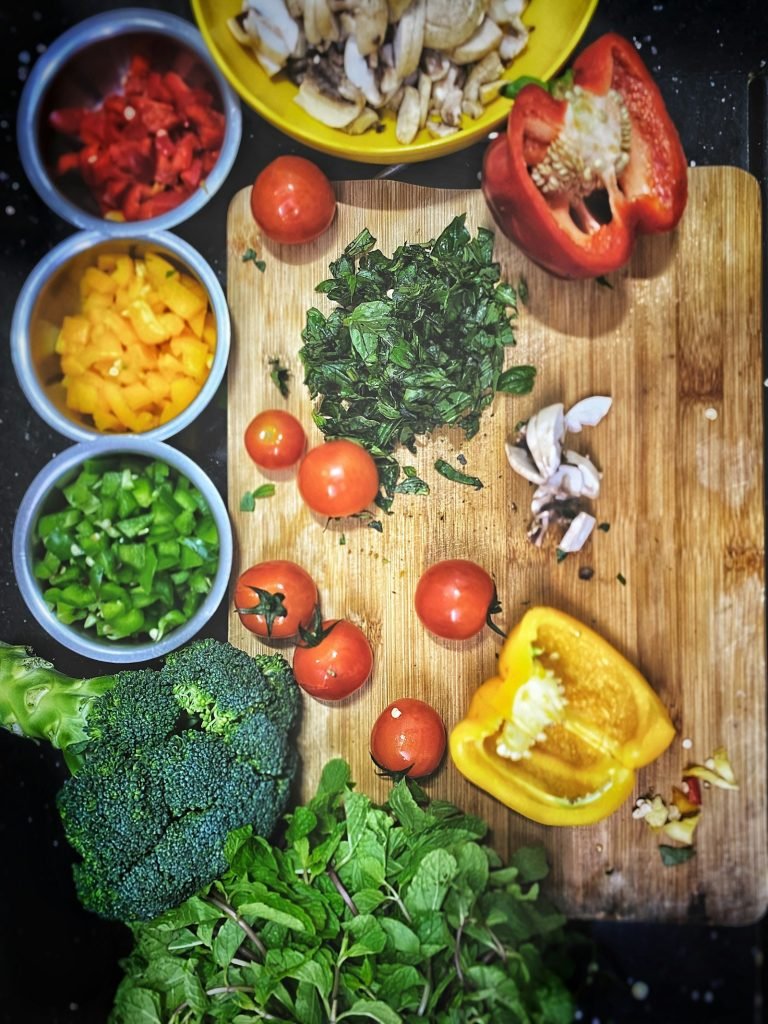
This is the fun part. Fill the remaining sections with your colourful fruit and vegetables, keeping each colour together so the box looks like a rainbow.
Red tomatoes, orange carrot sticks, yellow sweetcorn, green cucumber and blue blueberries. That is five colours of the rainbow in one lunch, and a great talking point when your child gets home.
Important for younger children: always cut cherry tomatoes, grapes and blueberries for under-fives. Quartering round foods lengthways makes them much safer to eat, as whole round foods are a choking risk.
Step 4: Don’t Forget the Dip
Spoon the hummus or yogurt dip into a small pot with a tight lid. Dips make raw vegetables far more appealing, and the act of dunking turns eating into play.
Close the lunchbox, add an ice pack, and you are done.
Five Rainbow Bento Combinations
Once you have the formula, you can mix and match all week without repeating yourself.
- Monday: Rice, chicken, tomatoes, cucumber, blueberries and hummus.
- Tuesday: Pasta shapes, cheese cubes, pepper strips, peas and grapes (quartered) with yogurt dip.
- Wednesday: Mini wholemeal wraps, egg slices, carrot ribbons, sweetcorn and strawberries.
- Thursday: Crackers, tuna or bean mash, cucumber, cherry tomatoes and apple slices with lemon juice.
- Friday: Leftover mini pizzas, sugar snap peas, melon cubes and a small treat.
Packing Tips From a Lot of Trial and Error
- Prep veg in bulk. On Sunday, cut a few days’ worth of carrot and cucumber sticks and store them in a tub of water in the fridge. They stay crunchy for up to four days.
- Stop apples browning. Toss slices in a little lemon or orange juice.
- Keep it cold. Use an insulated lunch bag and an ice pack, especially for chicken, rice and dairy.
- Go small. Children’s appetites are smaller than we expect. A bento that is too full can feel overwhelming.
- Ask for feedback. A quick “which colour did you eat first?” tells you far more than “did you eat your lunch?”
Frequently Asked Questions
Do I need a special bento box?
Not at all. A lunchbox with three or four compartments is ideal, but you can create the same effect with silicone cupcake cases inside any ordinary container. The point is simply to keep foods separate and visible.
How do I keep the rice soft until lunchtime?
Rice firms up as it cools. Pack it slightly moist, press it into balls or a neat block, and cover it with the lid of the compartment so it does not dry out. Short-grain or sushi rice stays softer than long-grain rice.
What if my child only eats one colour?
That is completely normal, especially at first. Keep including the other colours in tiny portions, one or two pieces each. There is no pressure to eat them, but seeing them every day makes them familiar, and familiarity is the first step towards trying.
Is this lunch enough for an older child?
For children over eight or very active kids, simply double the rice and protein, or add a wholemeal wrap or a hard-boiled egg as a fifth compartment.
The Bigger Picture
A lunchbox will never be perfect every day, and that is fine. Some days the blueberries come home. Some days only the rice gets eaten.
What matters is the pattern over weeks, not the result of a single Tuesday. Keep offering a variety of colours, keep it low-pressure, and let your child feel some ownership over what goes in the box. Over time, the empty lunchboxes start to outnumber the full ones.
Yara's Pro Tip!
Let your child choose two of the rainbow colours each evening. When kids pick the foods, they are far more likely to eat them, and you get a ready-made shopping list for the week.