Iron for kids is one of the most important nutrients to get right. Iron helps carry oxygen around the body and supports energy, growth and brain development. Yet young children, teenage girls and children who don’t eat meat can find it hard to get enough.
The good news is that a few simple food choices make a big difference. This guide explains how much iron kids need, the best iron-rich foods (including vegetarian options), and easy ways to help the body absorb more of it.
Key takeaways
- Children need roughly 6 to 9mg of iron a day, rising in the teenage years.
- Iron from meat and fish is absorbed more easily than iron from plants.
- Eating vitamin C-rich foods at the same meal helps absorb plant iron.
- Large amounts of milk, tea and coffee can reduce iron absorption.
Why iron for kids matters
Iron is needed to make haemoglobin, the part of red blood cells that carries oxygen. Without enough iron, children can develop iron deficiency anaemia. The NHS lists tiredness and lack of energy, shortness of breath, pale skin and headaches among the common symptoms. In children, low iron may also affect concentration and appetite.
Because children grow so quickly, their bodies need a steady supply of iron for kids’ growing muscles and blood. If you’re worried your child might be low in iron, speak to your GP, who can arrange a simple blood test. Don’t give iron supplements without medical advice, as too much iron can be harmful.
How much iron do kids need?
UK reference nutrient intakes for iron for kids are:
| Age | Iron per day |
|---|---|
| 1 to 3 years | 6.9mg |
| 4 to 6 years | 6.1mg |
| 7 to 10 years | 8.7mg |
| 11 to 14 years (boys) | 11.3mg |
| 11 to 14 years (girls) | 14.8mg |
Teenage girls need more iron than boys once periods start, which is why they’re one of the groups most likely to fall short.
Two types of iron
There are two kinds of iron in food:
- Haem iron, found in meat and fish, is absorbed easily by the body.
- Non-haem iron, found in plant foods and fortified cereals, is absorbed less easily, but absorption improves when it’s eaten with vitamin C.
15 of the best iron-rich foods for kids
Animal sources
- Red meat: beef, lamb or pork in bolognese, burgers or stews.
- Chicken and turkey: darker meat such as thighs contains more iron.
- Oily fish: sardines and mackerel.
- Eggs: a useful source in a family-friendly form.
Plant sources of iron for kids
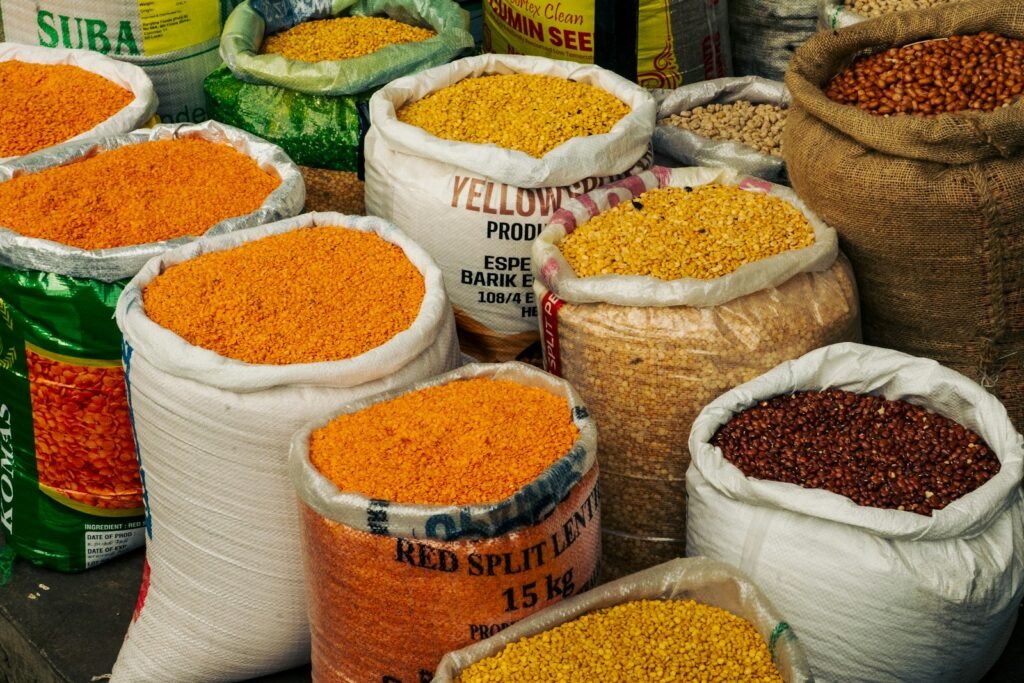
- Lentils: perfect in soups, dhal and lentil bolognese.
- Beans: kidney beans, black beans and baked beans.
- Chickpeas: in hummus, curries or roasted as a snack.
- Tofu: baked or added to stir-fries.
- Fortified breakfast cereals: check the label for added iron (and lower sugar).
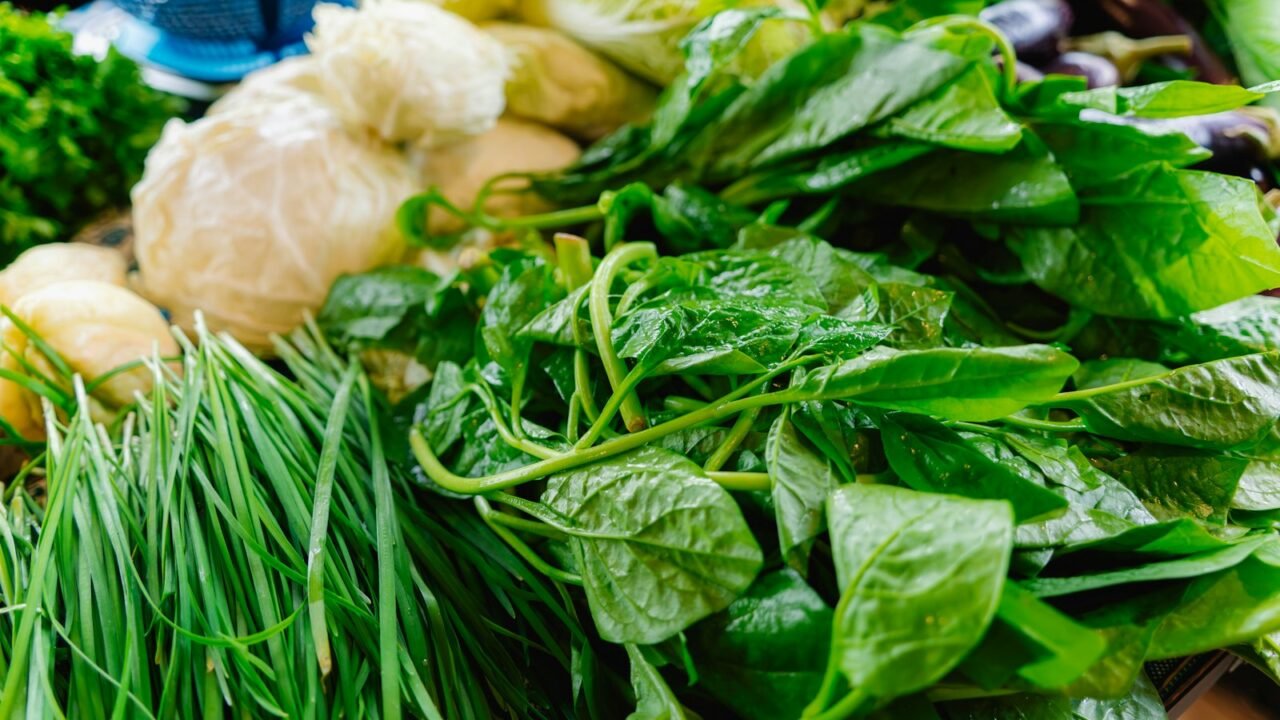
- Dark leafy greens: spinach, kale and watercress, blended into sauces or smoothies.
- Peas and broccoli.
- Dried fruit: apricots, raisins and prunes, best eaten with meals to protect teeth.
- Wholemeal bread and fortified bread.
- Ground seeds: pumpkin and sesame seeds (check school allergy policies).
- Smooth nut butters: spread thinly; no whole nuts for under-fives.
How to boost iron absorption
A few simple pairings make plant iron for kids work harder:
- Add vitamin C: serve iron-rich meals with fruit or vegetables high in vitamin C, such as peppers, broccoli, tomatoes, strawberries, kiwi or oranges.
- Watch the milk: the NHS notes that large amounts of milk and dairy can make it harder to absorb iron. Toddlers who drink lots of cows’ milk may also fill up and eat fewer iron-rich foods. Speak to your health visitor if your toddler drinks a lot of milk.
- Skip tea and coffee: these reduce iron absorption and aren’t suitable for young children anyway.
Iron-rich meal ideas kids enjoy
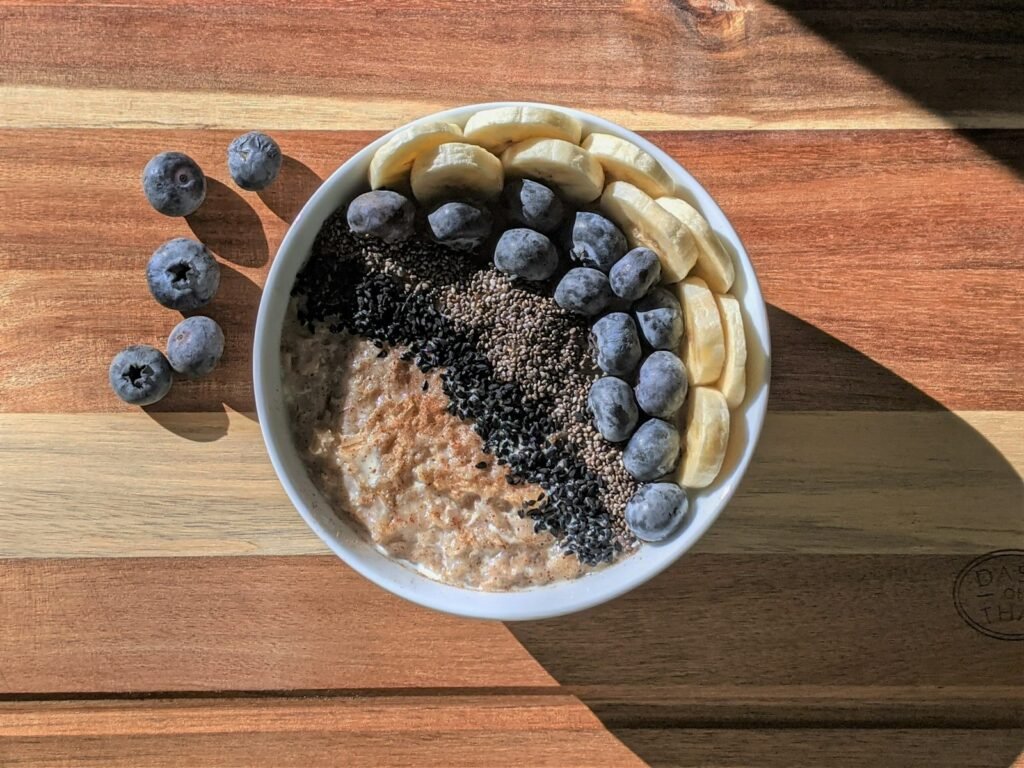
- Breakfast: an iron-fortified cereal with strawberries, or a Green Monster Smoothie with spinach and fruit.
- Lunch: hummus wrap with red pepper strips, or bean quesadillas with salsa.
- Dinner: lentil and beef bolognese with broccoli, or chicken thigh curry with chickpeas.
- Snack: roasted chickpeas and satsuma segments.
Hiding spinach and lentils in favourite dishes is an easy way to add iron for kids who are picky eaters. See our tips for hiding vegetables in kids’ food.
Iron for vegetarian kids
Vegetarian and vegan children can absolutely get enough iron, but they rely on non-haem iron, so it’s worth including pulses, tofu, fortified cereals and dark green vegetables every day, always alongside a source of vitamin C. Our guide to protein for kids shares more plant-based meal ideas, many of which are also rich in iron.
Iron for babies and toddlers
Babies are born with iron stores that start to run low at around six months, which is one reason why weaning begins at this age. Offer iron-rich first foods such as lentils, beans, meat, fish, eggs and fortified cereals. Read our guide to first foods for baby for ideas.
An iron-rich day for kids
Here’s a simple example of how iron for kids can add up across a normal day, without any special foods or supplements:
| Meal | Iron for kids ideas |
|---|---|
| Breakfast | Iron-fortified cereal with milk and sliced kiwi |
| Lunch | Egg and cress wrap with cherry tomatoes (quartered for little ones) |
| Snack | Hummus with red pepper sticks |
| Dinner | Lentil and beef bolognese with broccoli |
Each meal pairs an iron source with a vitamin C food, which is the simplest way to make iron for kids count. Rotate meals like these across the week and most children will comfortably meet their needs.

Frequently asked questions
What are the signs of low iron in kids?
Common signs include tiredness, lack of energy, pale skin and shortness of breath. These can have other causes too, so see your GP if you’re concerned.
Should I give my child an iron supplement?
Only if your GP recommends one. Iron supplements can be dangerous in large amounts, so keep them out of children’s reach.
Is spinach a good source of iron for kids?
Spinach contains iron, but it’s absorbed less well than iron from meat. It still helps, especially when served with vitamin C-rich foods.
The bottom line
Getting enough iron for kids is easier than it sounds. Include iron-rich foods such as meat, fish, eggs, beans, lentils and fortified cereals every day, pair plant sources with vitamin C, and avoid letting milk crowd out meals. If you’re worried, your GP can check your child’s iron levels.
Sources and further reading