Portion sizes for kids are one of the most confusing parts of feeding a family. Packaging, restaurant meals and even our own plates have grown over the years, so it’s easy to serve a child far more than they need, and then worry when they don’t finish it.
The simplest solution is to use your child’s own hands as a guide. Hands grow with your child, so the portions grow too. Here are five easy hand rules, plus how energy needs change with age and what to do when appetite goes up and down.
Key takeaways
- Your child’s hand is a handy, built-in guide to portion sizes for kids.
- One portion of fruit or vegetables is roughly what fits in their palm.
- Appetite varies a lot from day to day, so look at the week, not one meal.
- Start with small portions and let children ask for more.
Why portion sizes for kids matter
Serving age-appropriate portions helps children learn to listen to their own hunger and fullness signals. Overloaded plates can feel overwhelming, especially for picky eaters, and can lead to pressure to “clean the plate”. On the other hand, knowing roughly what a child-sized portion looks like is reassuring when your child seems to eat very little.
5 simple hand rules for portion sizes for kids
These are rules of thumb rather than strict measurements. Use your child’s hand, not yours:
- Fruit and vegetables: one palm. The NHS says that, as a rough guide, one portion for a child is the amount they can fit in the palm of their hand. Aim for at least five a day.
- Starchy foods: about one fist. Pasta, rice, potatoes or cereal, roughly the size of your child’s clenched fist, at each meal.
- Protein: about one palm. A piece of chicken or fish, or a serving of beans or lentils, roughly the size and thickness of their palm.
- Cheese: about two thumbs. A matchbox-sized piece of cheese for younger children.
- Spreads and fats: about one fingertip. A thin layer of butter, oil or nut butter.

How energy needs change with age
Children’s energy needs rise steadily as they grow. UK estimated average requirements give a sense of scale:
| Age | Boys (kcal/day) | Girls (kcal/day) |
|---|---|---|
| 2 years | 1,004 | 932 |
| 4 years | 1,386 | 1,291 |
| 7 years | 1,649 | 1,530 |
| 10 years | 2,032 | 1,936 |
These are averages for moderately active children of a healthy weight. Individual children vary, and there’s no need to count calories. The figures simply show why portion sizes for kids should grow gradually with age.
Portion sizes for kids by age group
Toddlers (1 to 3)
Toddlers need small, frequent meals: three meals and two or three snacks. A toddler portion might be a couple of tablespoons of pasta, a small handful of peas, half a slice of toast or a few pieces of chicken. Read our guide to toddler meals for ideas.
Preschoolers (3 to 5)
Portions grow a little, but appetite can still be unpredictable. Offer small portions and allow seconds. Planned healthy snacks help bridge the gaps between meals.
School-age children (5 to 11)
Portion sizes for kids at this age increase steadily, especially during growth spurts and on active days. The hand rules still work well, and older children can start serving themselves.
Appetite goes up and down, and that’s normal
It’s completely normal for a child to eat a huge breakfast and then pick at lunch, or to eat very little for a few days and then seem constantly hungry. Children’s appetites vary with growth spurts, activity, tiredness and illness. Look at what your child eats across a whole week rather than at single meals.
The division of responsibility can help here: you decide what, when and where food is served, and your child decides how much to eat. This takes the pressure off and helps children learn to trust their own appetite.
Tips for serving the right portion sizes for kids
- Use smaller plates and bowls. Child-sized plates make child-sized portions look generous.
- Start small. Children can always ask for more; it’s less wasteful and less overwhelming.
- Serve family-style. Let older children help themselves from dishes on the table.
- Don’t insist on a clean plate. It teaches children to ignore their fullness signals.
- Watch drinks. Milk and juice can fill small tummies; serve water with meals. See our guide to the best drinks for kids.
- Keep treats small. Sweet foods are fine in small portions as part of a meal.
When to ask for advice
If you’re worried that your child is eating too much or too little, or about their growth or weight, speak to your health visitor or GP. They can check your child’s growth over time, which is a far better guide than any single meal.
For help with a fussy eater who seems to eat very little, see our picky eater survival guide and our tips for ending mealtime battles.
A sample day of portion sizes for kids
To make the hand rules concrete, here’s what a day of portion sizes for kids might look like for a five-year-old:
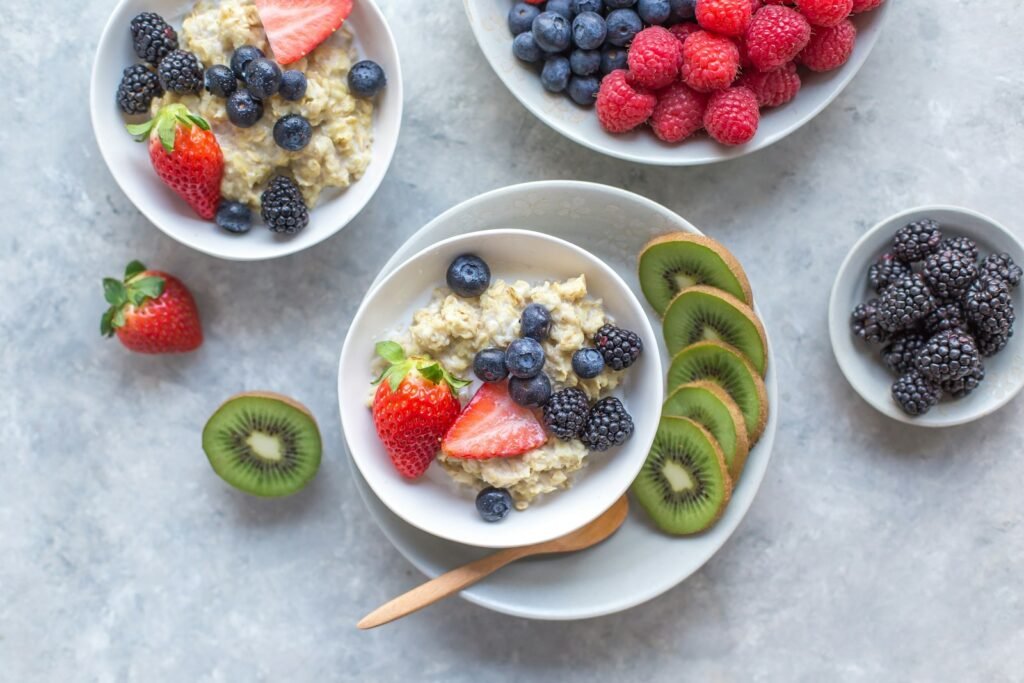
- Breakfast: a fist-sized bowl of porridge with a palmful of berries.
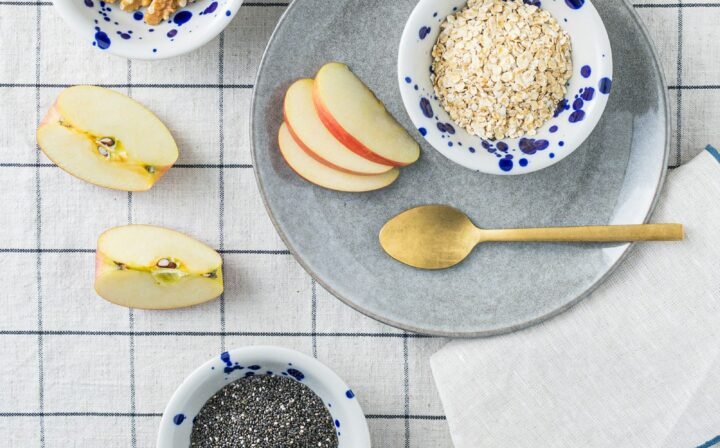
- Snack: a palm-sized portion of apple slices and two thumbs of cheese.
- Lunch: a sandwich made with one slice of bread folded in half, cucumber sticks and a yoghurt.
- Snack: a small banana.
- Dinner: a fist of pasta, a palm of salmon and a palmful of peas.
Some days your child will eat all of this and ask for more; other days they’ll leave half. Both are normal. Portion sizes for kids are a starting point, and your child’s appetite fills in the rest.

Frequently asked questions
Should children eat the same portions as adults?
No. Portion sizes for kids should be smaller than adult portions, growing gradually with age and size. Using the child’s own hand as a guide makes this automatic.
How do I know if my child is eating enough?
If your child is growing well, has energy and is generally healthy, they’re very likely eating enough, even if some meals seem tiny. Your health visitor or GP can check growth if you’re worried.
Is it okay to let my child have seconds?
Yes. Offering seconds lets children follow their appetite. Encourage them to take more vegetables or the main dish rather than only the pudding.
The bottom line
Portion sizes for kids don’t need scales or calorie counting. Use your child’s hand as a guide, start with small portions, let them ask for more and look at the week rather than each meal. Simple, relaxed portions help children grow up with a healthy, trusting relationship with food.
Sources and further reading