Toddler snacks play a bigger role than you might think. Toddlers have small tummies but high energy needs, so they usually can’t get everything they need from three meals alone. Well-timed, healthy toddler snacks fill the gaps, provide extra nutrients and keep moods steady between meals.
But snacks can also backfire if they’re too frequent or too sugary, leaving toddlers too full for dinner. Here are 25 healthy toddler snacks, how often to offer them, and the safety tips every parent of a one to three year old needs.
Key takeaways
- Most toddlers do well with three meals and two or three planned snacks a day.
- The best toddler snacks combine fruit or veg with dairy, protein or a starchy food.
- Avoid grazing, and stop snacks an hour or two before meals.
- Cut small round foods into quarters and never give whole nuts to under-fives.
Why toddler snacks matter
Between the ages of one and three, children grow quickly and are constantly on the move, but their tummies are still small. Toddler snacks help provide the energy and nutrients they need throughout the day. Think of them as mini meals rather than treats: a chance to offer fruit, vegetables, dairy and wholegrains.
How many snacks does a toddler need?
Most toddlers eat best with a predictable routine: three meals and two or three snacks, spaced roughly every two to three hours. For example, breakfast at 7am, a snack at 10am, lunch at 12pm, a snack at 3pm and dinner at 5.30pm. Planned toddler snacks at set times work much better than grazing, which can blunt appetite at meals and is harder on teeth.
25 healthy toddler snacks
Fruit and vegetables
- Banana, sliced or mashed on toast.
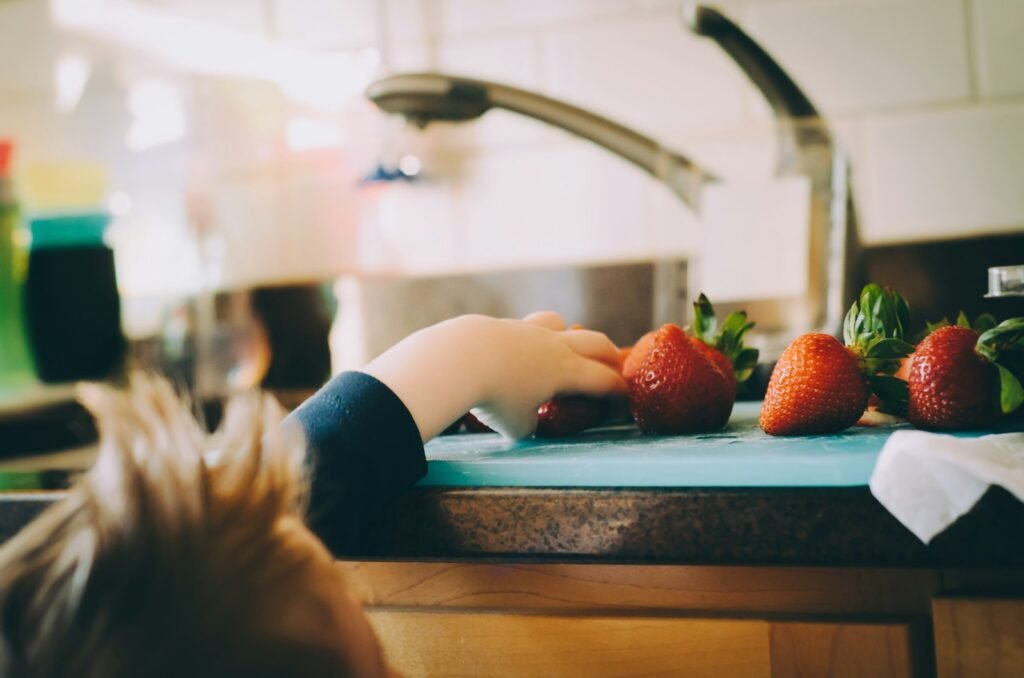
- Blueberries, squashed or halved for younger toddlers.
- Grapes, cut lengthways into quarters.
- Soft pear or melon slices.
- Steamed carrot or broccoli sticks.
- Cucumber sticks.
- Cherry tomatoes, quartered.
- Avocado slices or mashed on toast.
Dairy toddler snacks
- Plain full-fat yoghurt with mashed fruit.
- Cheese cubes or grated cheese.
- A cup of whole milk with a few crackers.
- Cream cheese on rice cakes or toast fingers.
Starchy and wholegrain toddler snacks
- Toast fingers with butter or smooth nut butter.
- Mini pitta with hummus.
- Oatcakes.
- Plain breadsticks.
- Porridge fingers.
- Mini Spinach Monster Pancakes.
Protein-rich toddler snacks
- Hard-boiled egg, chopped.
- Mashed beans or chickpeas on toast.
- Small pieces of chicken.
- Soft tofu cubes.
Homemade toddler snacks
- Beetroot Pink Muffins, sweetened with fruit.
- Banana and oat cookies.
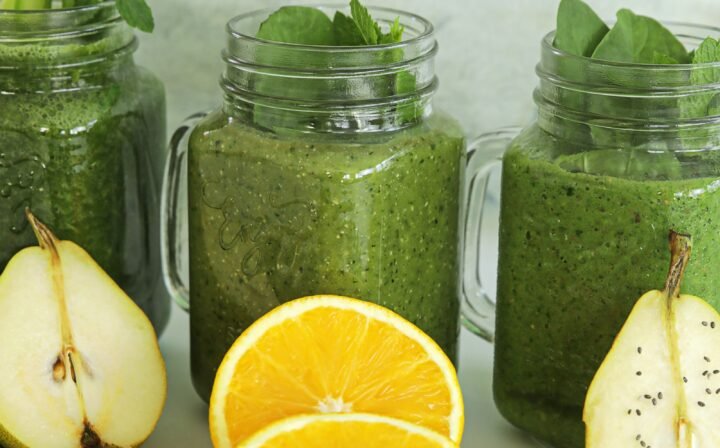
- A small Strawberry Banana Smoothie with breakfast or a meal.
Toddler snacks safety: avoiding choking
Toddlers are still learning to chew, so safety comes first:
- Cut grapes, cherry tomatoes and large berries lengthways into quarters.
- Never give whole nuts or peanuts to children under five; smooth nut butters are fine.
- Avoid popcorn, hard sweets and whole raw carrot or apple for young toddlers (grate or cook them).
- Cut sausages lengthways and then into small pieces.
- Always make sure your toddler is sitting down and supervised while they eat.
Toddler snacks to limit
Many snacks marketed for toddlers, like fruit puffs, bars and pouches, can be high in sugar or encourage sipping between meals. They’re fine occasionally but shouldn’t replace real food. Limit salty snacks such as crisps, and sweet foods like biscuits and cakes. Dried fruit is healthy but sticky and sugary, so offer it with meals rather than as a snack between meals to protect teeth.
For drinks, stick to water and milk. Toddlers don’t need juice, and if you do offer it, dilute it well and serve it with a meal. Our guide to the best drinks for kids has more detail.
When toddler snacks spoil meals
If your toddler isn’t eating at mealtimes, check the snack routine. Common culprits include snacks too close to meals, lots of milk between meals, and frequent grazing. Try stopping snacks one to two hours before a meal, offering water between meals, and keeping toddler snacks small. Our tips on ending mealtime battles can help, and the division of responsibility explains how to set a calm routine.
Toddler snacks on the go
For days out, pack toddler snacks that travel well: oatcakes, breadsticks, cheese cubes in a small cool bag, banana, blueberries (squashed or halved) and a pot of plain yoghurt with a spoon. A small bento-style box with separate compartments keeps everything tidy. Our lunchbox snacks guide has lots more portable ideas.
Making snack time a positive habit
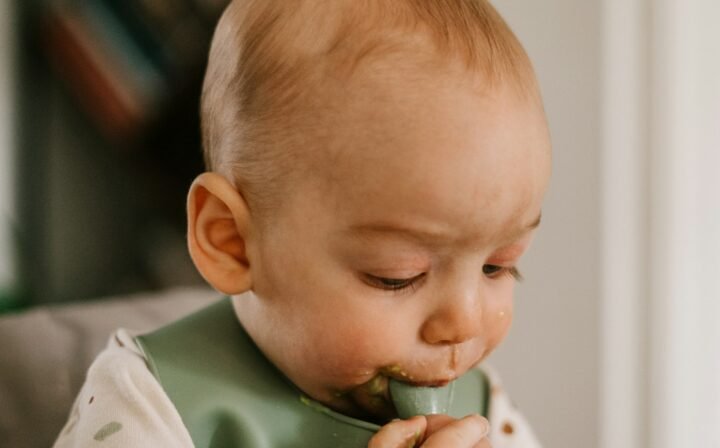
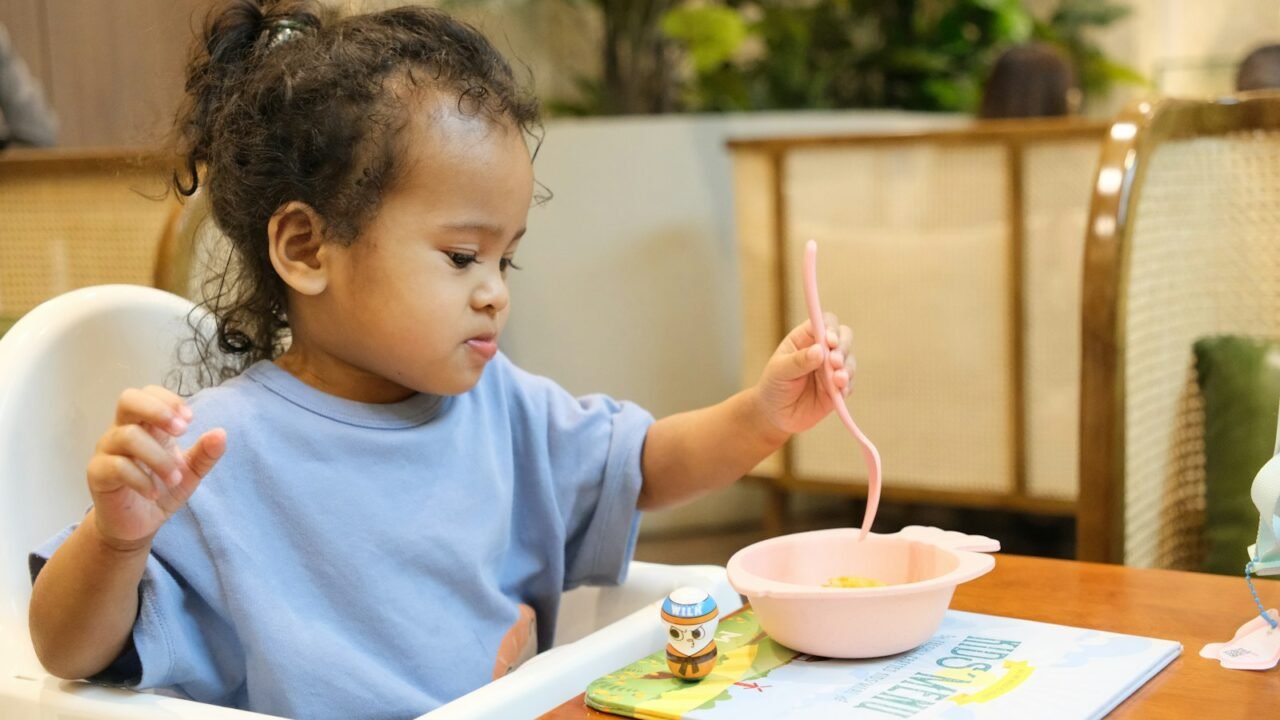
Where and how your little one eats matters as much as what they eat. Offer snacks at the table or in the high chair rather than in front of a screen or while walking around, which is safer and helps children notice when they’re full. Sit with them, chat, and eat a piece of fruit yourself; little ones love copying grown-ups. Let them feed themselves as much as possible, even if it’s messy, because it builds independence and fine motor skills.
If your child refuses a snack, that’s fine. Calmly put it away and offer food again at the next meal. Avoid offering a different, sweeter alternative, or they’ll quickly learn that saying no brings biscuits.

Frequently asked questions
How big should toddler snacks be?
Small. A toddler snack might be half a banana and a few crackers, or a small pot of yoghurt. Offer more if they’re still hungry.
Are fruit pouches good toddler snacks?
Occasionally. They’re convenient but don’t help toddlers learn to chew, and sucking fruit purée frequently can affect teeth. Whole fruit is better.
Should I give my toddler a snack before bed?
A small snack or a cup of milk after dinner is fine for many toddlers. Remember to brush teeth afterwards.
The bottom line
Healthy toddler snacks are mini meals that help little ones meet their nutritional needs. Offer two or three planned snacks a day, combine fruit or veg with dairy, protein or starch, keep sugary snacks occasional and always cut food safely. For full meals, see our guide to toddler meals.
Sources and further reading