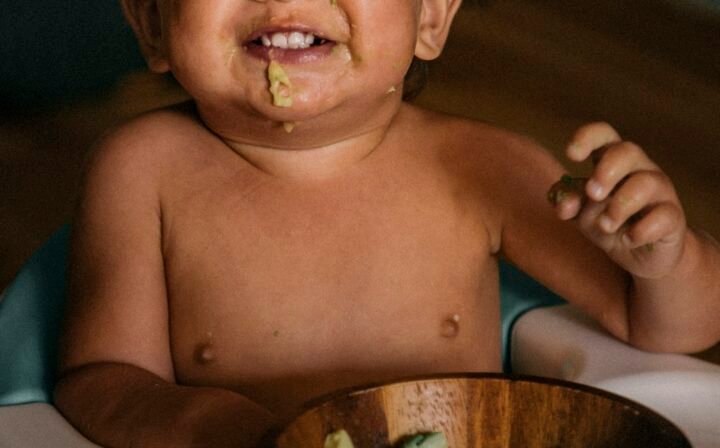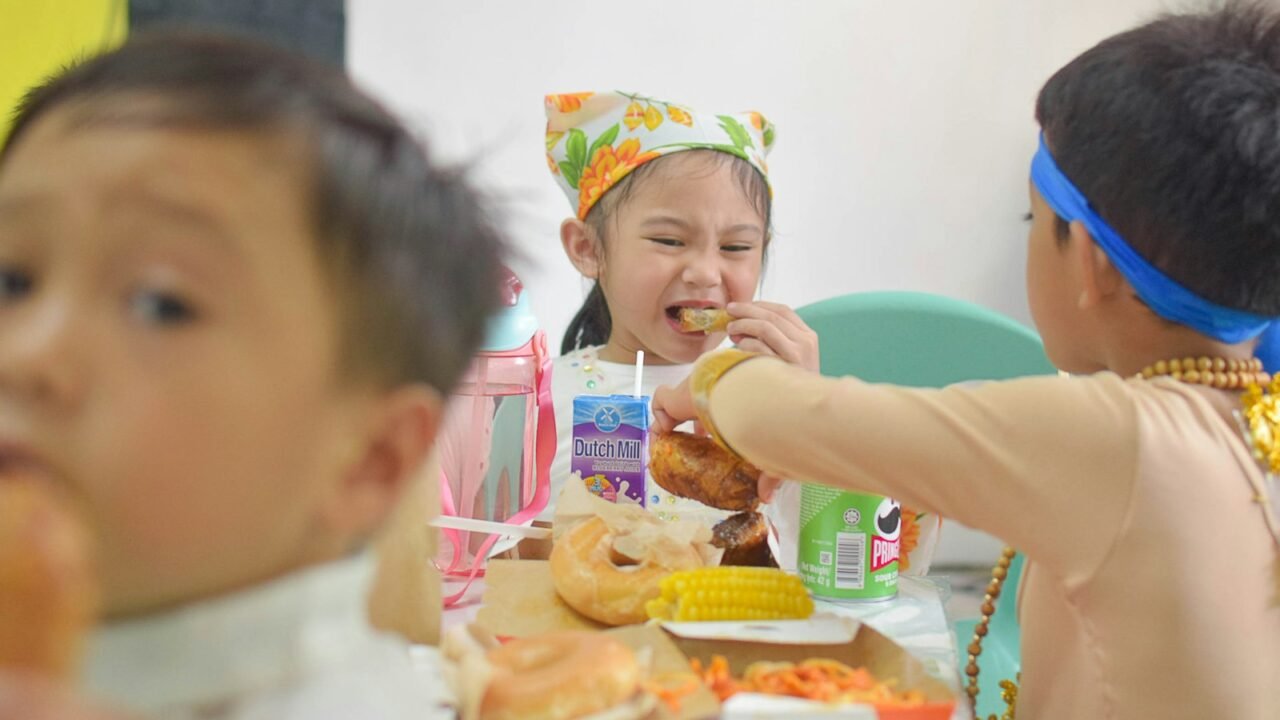
If you have a picky eater at home, you are in very good company. Somewhere between the ages of two and six, many children suddenly decide that green food is suspicious, that sauces are a crime, and that the only acceptable dinner is plain pasta. This picky eater guide shares the calm strategies that work in our house.
It can be exhausting. You cook, they refuse, you worry, and the whole family ends up tense before anyone has picked up a fork.
The good news is that fussy eating is a normal stage of development for most children, and it usually improves with time. The even better news is that there are calm, practical things you can do to help it along — and most of them involve doing less pushing, not more.
Key takeaways
- Picky eating is common and usually a phase. Look at what your child eats over a week, not a single meal.
- Pressure, bribes and battles tend to make fussiness worse.
- Repeated, relaxed exposure to new foods is the most powerful tool you have.
- Talk to your GP or health visitor if your child is losing weight, seems unwell, or eats a very small number of foods.
Why are some children such picky eaters?
There are several perfectly normal reasons. Toddlers are learning independence, and saying “no” to food is one of the few things they can completely control. Many young children are also naturally cautious about new foods — a trait that probably kept little ones safe for most of human history.
Appetite plays a part too. Children’s growth slows after the first year, so they often need less food than parents expect. A child who ate everything at nine months may eat noticeably less at two, and that can be entirely healthy.
Finally, texture, smell and appearance matter enormously to kids. A food can be rejected for being “too lumpy”, “too wet” or simply “touching the rice”.
12 picky eater strategies that actually help
1. Judge the week, not the meal
Children’s appetites swing wildly. They may eat almost nothing at lunch and then devour dinner. If your child is active, growing and well, they are usually getting enough. Looking at the bigger picture takes a lot of stress out of each meal.
2. Serve a “safe” food at every meal
Put at least one food you know your child likes on the plate — bread, rice, pasta or fruit. This takes the fear out of the meal: they know there is something they can eat, which makes them more willing to explore the rest.
3. Offer tiny portions of new foods
A whole serving of broccoli can feel overwhelming. One small floret next to familiar foods is much less scary. You can always offer more if it disappears.
4. Keep offering — calmly
It can take many relaxed attempts before a child accepts a new food. If something is refused, remove it without fuss and offer it again another day. Every exposure counts, even when it doesn’t get eaten.
5. Eat together whenever you can
Children learn by copying. Seeing you happily eating a vegetable is far more persuasive than being told to eat it. Even one or two shared family meals a week make a difference.

6. Don’t use food as a reward
“Eat your peas and you can have pudding” teaches children that peas are a chore and pudding is the prize. Try serving a small pudding as part of the meal, regardless, or reward good behaviour with a story or a game instead.
7. Change the shape, not the food
A child who refuses cooked carrots might happily eat grated carrot, carrot sticks with a dip, or carrot blended into a sauce. Cutting sandwiches into stars or serving food on a divided plate can work wonders too.
8. Use hidden veggies as a bridge
Blending vegetables into familiar favourites is a brilliant way to add nutrition on difficult days. Our Hidden-Veggie Monster Mac & Cheese hides a full serving of squash and cauliflower. Just keep putting vegetables on the plate in their real form too, so your child learns to recognise and enjoy them.
9. Get them cooking
Children are far more willing to try food they helped make. Even toddlers can wash vegetables or tip ingredients into a bowl. Recipes like our build-your-own mini veggie pizzas put kids in charge of the toppings — and they nearly always try one new thing.
10. Limit snacks and drinks before meals
A child who has had a big snack or a large glass of milk an hour before dinner simply won’t be hungry. Two planned snacks a day, spaced well away from meals, help children come to the table ready to eat.
11. Keep mealtimes short and pleasant
Twenty to thirty minutes is plenty. Long, tense standoffs rarely end with a clean plate. Turn off screens, chat about your day, and let the meal end calmly even if not much has been eaten.
12. Praise trying, not eating
Celebrate small steps: touching a new food, smelling it, licking it or taking a tiny bite. “You were brave to try that!” builds confidence far more than “Good job finishing your plate.”
What not to do with a picky eater
- Don’t force or bribe. Pressure makes children more anxious and more resistant.
- Don’t become a short-order cook. Offer one family meal with at least one safe food, rather than making a separate dinner on request.
- Don’t label your child. Calling them “a picky eater” in front of them can turn it into part of their identity.
- Don’t give up on a food forever. Tastes change. The vegetable refused at three may be a favourite at five.
A simple picky eater plan for this week
If you want to start somewhere, try this: choose one new food for the week. Offer a tiny amount alongside a safe food three or four times, with no comment and no pressure. Eat some yourself and say how much you enjoy it. At the weekend, invite your child to help you prepare it in a new way — grated, dipped or blended into a smoothie like our Green Monster Smoothie.
That’s it. Small, repeated, positive experiences are what slowly change a picky eater’s mind.
When to seek help for a picky eater
Most fussy eating is nothing to worry about. However, it’s a good idea to speak to your GP, health visitor or paediatrician if your child is losing weight or not growing as expected, eats an extremely limited range of foods (for example, fewer than 20), gags or chokes regularly, or if mealtimes are causing significant distress for your child or family. Some children need extra support, and getting it early makes a big difference.
Picky eater or something more?
Most picky eater behaviour is a normal stage. A typical picky eater still eats a reasonable range of foods (often 20 or more), grows well, has energy, and gradually accepts new foods with repeated, relaxed exposure. A picky eater may have strong preferences, but meals don’t cause extreme distress.
It’s worth talking to your GP or health visitor if your picky eater eats a very small number of foods, drops foods they used to eat without replacing them, gags or vomits at new textures, is losing weight, or becomes very anxious around food. These can be signs that a child needs specialist support.
For most families, though, the strategies above are enough. Pair them with the gentle steps in our guides to food chaining and the division of responsibility, and your picky eater will usually widen their menu over time.

Sources and further reading