Food allergies affect a significant number of children in the UK, and for parents they can feel frightening. A food allergy happens when the immune system mistakenly reacts to a food as if it were harmful. Reactions can range from a mild rash to anaphylaxis, a serious emergency.
This guide explains the essentials: which foods most often cause food allergies in kids, the symptoms to watch for, when to get urgent help, and how to introduce allergens to babies safely. It’s general information based on NHS advice, not a substitute for medical care. If you’re worried about your child, always speak to your GP.
Key takeaways
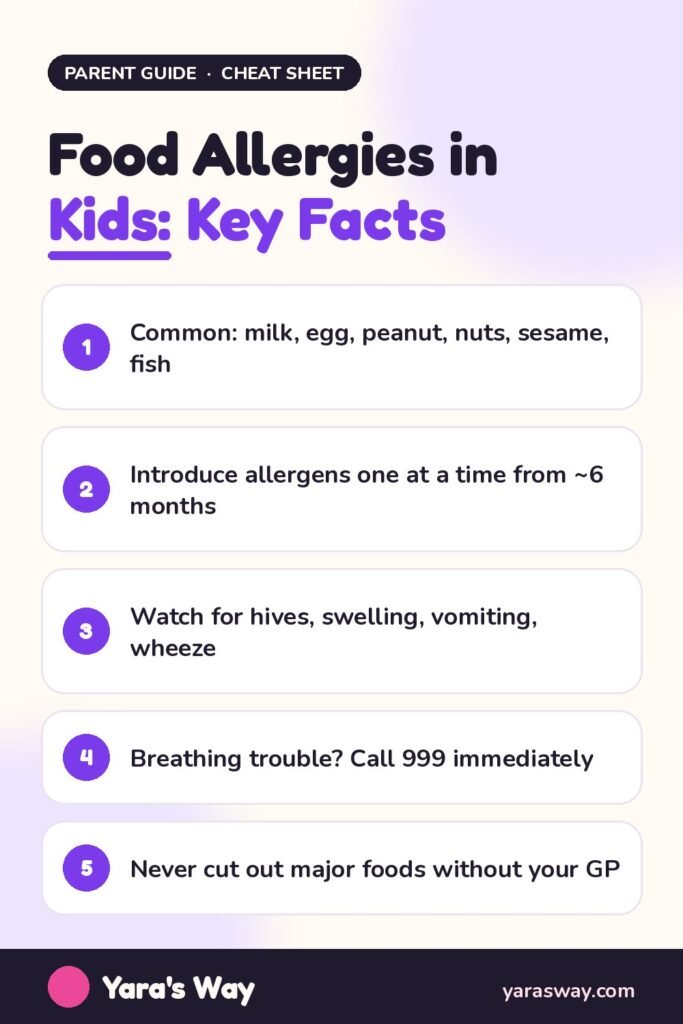
- Common food allergies in children include milk, egg, peanut, tree nuts, sesame, soya, fish and shellfish.
- Reactions usually happen within minutes, but can take up to two hours (longer for milk).
- Anaphylaxis is a medical emergency: call 999.
- Introduce allergenic foods one at a time from around six months, and don’t cut out major foods without medical advice.
Fact 1: Some foods cause most food allergies
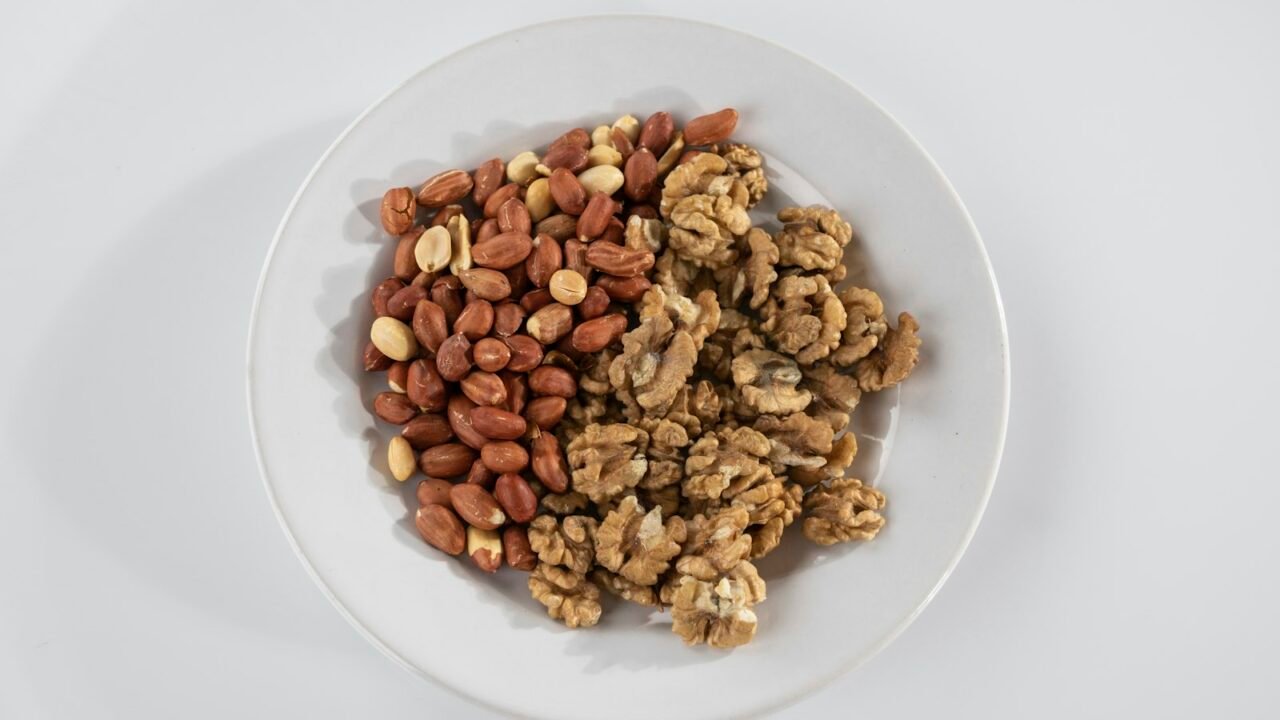
The NHS lists the foods that most commonly trigger allergic reactions in babies and young children: cows’ milk, eggs, foods containing gluten (such as wheat, barley and rye), nuts and peanuts, seeds (especially sesame), soya, fish, shellfish, beans, lentils and peas, celery and mustard. In the UK, food businesses must highlight 14 major allergens in their ingredients, which makes label-reading easier for families living with food allergies.
Fact 2: Know the symptoms
Symptoms of food allergies can include:
- A red, itchy rash or hives.
- Swollen lips, face or eyes.
- Itchy, red, watery eyes and a runny or blocked nose.
- Feeling or being sick, tummy pain or diarrhoea.
- Coughing or wheezing.
- Worsening eczema.
Reactions usually happen quickly, within a few minutes of eating a food, but can take up to two hours. Reactions to cows’ milk can sometimes take up to three days.

Fact 3: Anaphylaxis is an emergency
Anaphylaxis is a severe allergic reaction that starts quickly and can cause breathing difficulties and a swollen throat or tongue. Signs can include trouble breathing, wheezing, a hoarse voice, difficulty swallowing, a sudden floppiness or collapse, or pale, clammy skin. If you think your child is having a severe reaction, call 999 immediately. If your child has a prescribed adrenaline auto-injector, use it as you’ve been shown, and still call 999.
Fact 4: Introduce allergens early, one at a time
For many years, parents were told to delay allergenic foods. Current NHS advice is different. Foods that can trigger food allergies should be introduced from around six months, alongside other solid foods, one at a time so you can spot any reaction. The NHS notes that delaying the introduction of peanut and hen’s egg beyond six to twelve months may increase the risk of developing an allergy to those foods. Once a food is tolerated, keep it as part of your baby’s regular diet.
Always give nuts and peanuts finely ground or as smooth nut butter, never whole. Our guides to first foods for baby and baby led weaning explain how to fit allergens into weaning.
Fact 5: Some babies need extra care
If your baby already has a food allergy or eczema, or there’s a family history of food allergies, eczema, asthma or hay fever, you may need to be particularly careful when introducing foods. Talk to your GP or health visitor before you start; they may suggest a plan or refer you to an allergy specialist.
Fact 6: Many children outgrow some food allergies
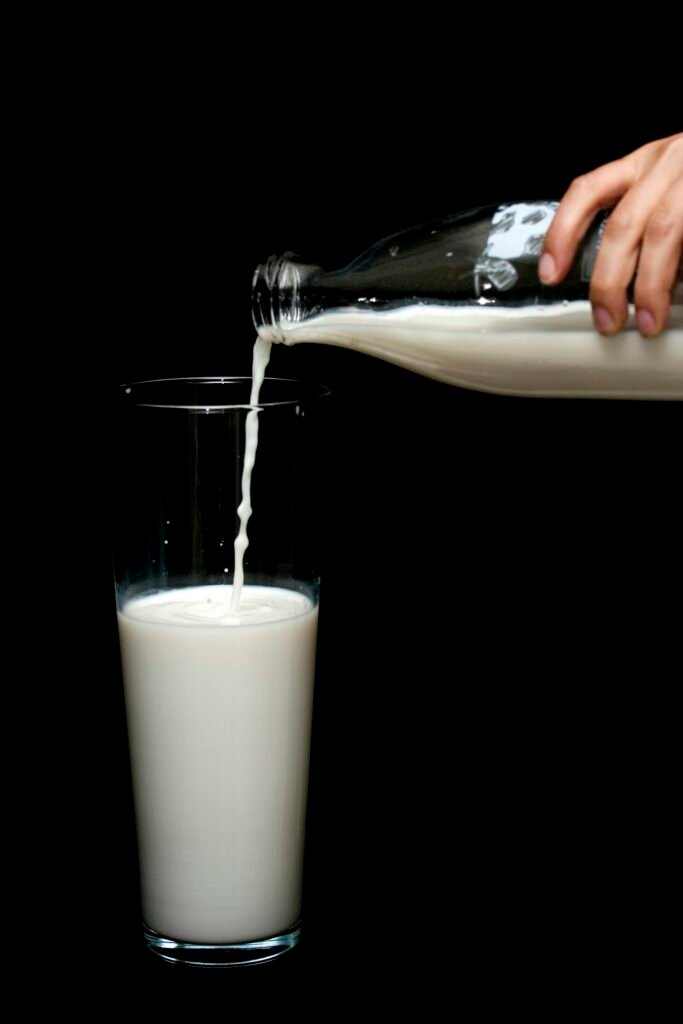
According to the NHS, many children outgrow allergies to milk and eggs, while others, such as peanut and tree nut allergies, are more likely to be lifelong. Never re-test a food at home without medical guidance. Your allergy team will advise when and how it’s safe to try a food again.
Fact 7: Don’t cut out foods without advice
If you suspect a food allergy, speak to your GP rather than removing foods yourself. Cutting out a major food like milk or wheat can affect your child’s nutrition, especially their intake of calcium, protein and energy. Your GP may refer you to a dietitian, who can make sure your child still gets everything they need. Avoid home allergy test kits, which aren’t reliable for diagnosing food allergies.
If your child needs a dairy-free diet, our guide to calcium for kids lists non-dairy sources.
Living well with food allergies
- Read every label, every time. Recipes change.
- Check “may contain” warnings with your allergy team’s advice.
- Share an allergy action plan with nursery, school, grandparents and babysitters.
- Carry prescribed medicines, such as antihistamines or adrenaline auto-injectors, everywhere.
- Teach children not to share food and to tell an adult if they feel unwell.
- Plan ahead for parties and eating out; see our party food for kids tips.
At school, nut-free policies help protect children with serious food allergies. Our nut-free lunchbox guide has easy ideas for packed lunches.
Food allergy or food intolerance?
Food allergies involve the immune system and can be serious. A food intolerance, such as lactose intolerance, doesn’t involve the immune system; it usually causes digestive symptoms like bloating or diarrhoea and isn’t life-threatening. The two are often confused, which is another reason to get a proper diagnosis from your GP.
Frequently asked questions
At what age do food allergies usually appear?
Food allergies often show up in babies and young children when a food is first introduced, but they can develop at any age.
Can I prevent food allergies?
You can’t prevent all food allergies, but introducing allergenic foods from around six months, and keeping them in the diet once tolerated, is current NHS advice.
What should I do after a mild reaction?
Stop giving the food and speak to your GP, even if the reaction was mild. If symptoms are severe or involve breathing, call 999.
The bottom line
Food allergies can be worrying, but knowledge makes them manageable. Know the common allergens and symptoms, act fast in an emergency, introduce allergens one at a time from around six months, and work with your GP or allergy team rather than cutting out foods on your own.
Sources and further reading