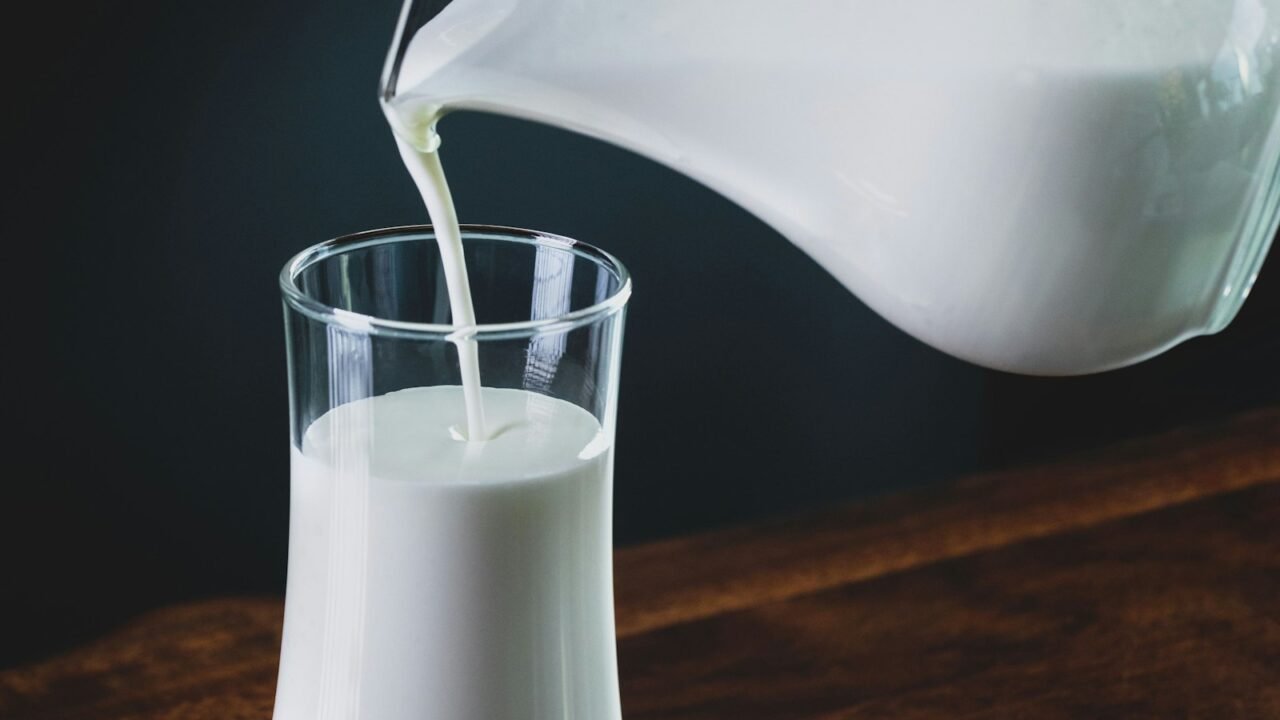
Calcium for kids is essential for building strong bones and teeth. Childhood and the teenage years are when bones grow fastest and lay down most of their strength, so getting enough calcium now helps protect your child’s bones for life.
Most children get the calcium they need from milk and dairy foods, but plenty of non-dairy foods help too. Here’s how much calcium kids need, 15 of the best calcium-rich foods, and why vitamin D is the essential partner nutrient.
Key takeaways
- Children need between 350mg and 1,000mg of calcium a day, depending on age and sex.
- Milk, cheese and yoghurt are the easiest sources of calcium for kids.
- Calcium-fortified plant drinks, tofu, tinned fish and some vegetables also help.
- Vitamin D helps the body absorb calcium; the NHS recommends supplements for young children.
Why calcium for kids is so important
Calcium is the main mineral in bones and teeth. It’s also needed for muscles to contract, nerves to send signals and blood to clot normally. Because children are growing, their need for calcium is high relative to their size. Building strong bones in childhood and adolescence helps reduce the risk of weak bones later in life.
How much calcium do kids need?
UK reference nutrient intakes for calcium for kids are:
| Age | Calcium per day |
|---|---|
| 1 to 3 years | 350mg |
| 4 to 6 years | 450mg |
| 7 to 10 years | 550mg |
| 11 to 14 years (boys) | 1,000mg |
| 11 to 14 years (girls) | 800mg |
For young children, the NHS suggests giving at least 350ml of milk a day, or two servings of foods made from milk, such as cheese, yoghurt or fromage frais. A 200ml glass of cows’ milk provides roughly 240mg of calcium, so a couple of dairy servings covers most of a young child’s needs.
15 of the best calcium-rich foods for kids
Dairy sources
- Milk: whole or semi-skimmed as a main drink from age one.
- Cheese: hard cheeses like cheddar are especially rich in calcium.
- Plain yoghurt: add fruit for natural sweetness.
- Fromage frais: choose lower-sugar versions.
- Milk-based meals: porridge, rice pudding, cheese sauce and pancakes.
Non-dairy sources of calcium for kids
- Calcium-fortified plant drinks: unsweetened soya or oat drinks (not rice drinks for under-fives).
- Tofu set with calcium: check the label for calcium sulphate.
- Tinned sardines and salmon: with the soft, edible bones mashed in.
- White bread and fortified flour products: UK white flour is fortified with calcium.
- Broccoli, kale and cabbage.
- Beans and chickpeas: including baked beans and hummus.
- Dried figs and apricots: best eaten with meals.
- Sesame seeds and tahini: in hummus (check school allergy rules).
- Almond butter: spread thinly; no whole nuts for under-fives.
- Calcium-fortified cereals and plant yoghurts.
Vitamin D: calcium’s essential partner
The body needs vitamin D to absorb calcium from food. In the UK, there isn’t enough sunlight between October and March to make vitamin D in the skin, so diet and supplements matter. The NHS recommends a daily vitamin D supplement for babies and young children up to the age of five (unless a baby is having more than 500ml of infant formula a day), and that children from six months to five years have daily vitamin A, C and D supplements. Older children and adults are advised to consider a 10 microgram vitamin D supplement during autumn and winter.
Food sources of vitamin D include oily fish, eggs and fortified cereals and spreads.

Calcium for kids who don’t drink milk
If your child doesn’t like milk, try calcium in other forms: cheese on toast, yoghurt with fruit, milk in porridge, or a Strawberry Banana Smoothie made with milk and yoghurt. Our Hidden-Veggie Mac and Cheese is another tasty source.
For children with a cows’ milk allergy, or families who avoid dairy, choose unsweetened, calcium-fortified plant drinks and yoghurts and include other calcium-rich foods daily. Never cut out a major food group like milk without talking to your GP or health visitor first; they may refer you to a dietitian. Our guide to food allergies in kids has more information.
What’s the best milk for kids?
Breast milk or first infant formula should be the main drink for babies under 12 months. From one year, whole or semi-skimmed cows’ milk can be a main drink. Skimmed and 1% milk aren’t suitable as a main drink for children under five. Read our full guide to the best drinks for kids for details.
Easy ways to add calcium for kids every day
- Make porridge with milk rather than water.
- Add grated cheese to pasta, omelettes and jacket potatoes.
- Serve plain yoghurt as a pudding with fruit.
- Include hummus and veg sticks in the lunchbox (see our lunchbox snacks).
- Try sardines on toast for an older child’s lunch.
A calcium-rich day for kids
Here’s how calcium for kids can add up across an ordinary day:
| Meal | Calcium for kids ideas |
|---|---|
| Breakfast | Porridge made with milk, topped with berries |
| Lunch | Cheese and tomato wrap with cucumber sticks |
| Snack | Plain yoghurt with sliced banana |
| Dinner | Salmon fishcakes with broccoli and peas |
That’s three dairy servings plus calcium from fish and greens, more than enough calcium for kids aged one to ten. Teenagers need more, so a glass of milk at bedtime or an extra yoghurt helps. If your family is dairy-free, swap in fortified soya or oat drinks and calcium-set tofu to keep calcium for kids on track.

Frequently asked questions
Do kids need calcium supplements?
Most children get enough calcium for kids’ needs from food. Supplements are usually only needed if a doctor or dietitian recommends them, for example for children on a dairy-free diet.
Is cheese a good source of calcium?
Yes. Hard cheese is one of the richest sources. It’s also high in salt and saturated fat, so serve sensible portions.
Can drinking too much milk be a problem?
Yes. Large amounts of milk can fill toddlers up so they eat less food, and may affect iron intake. See our guide to iron for kids.
The bottom line
Calcium for kids builds strong bones and teeth for life. Offer milk, cheese or yoghurt a few times a day, include non-dairy sources like fortified drinks, tofu and beans, and follow NHS advice on vitamin D. With these simple habits, most children easily get all the calcium they need.