School’s out, the door bursts open, and within seconds someone announces they are “starving”. The after-school window is when hungry children are most likely to reach for crisps, biscuits and sweets — not because anyone planned it, but because those foods are fast. The answer is a little planning for after-school snacks.
A little planning changes everything. With a simple formula and a few go-to ideas ready, you can serve a snack that’s just as quick, keeps energy steady until dinner, and actually adds something good to your child’s day.
Key takeaways
- Most young children do well with three meals and around two healthy snacks a day.
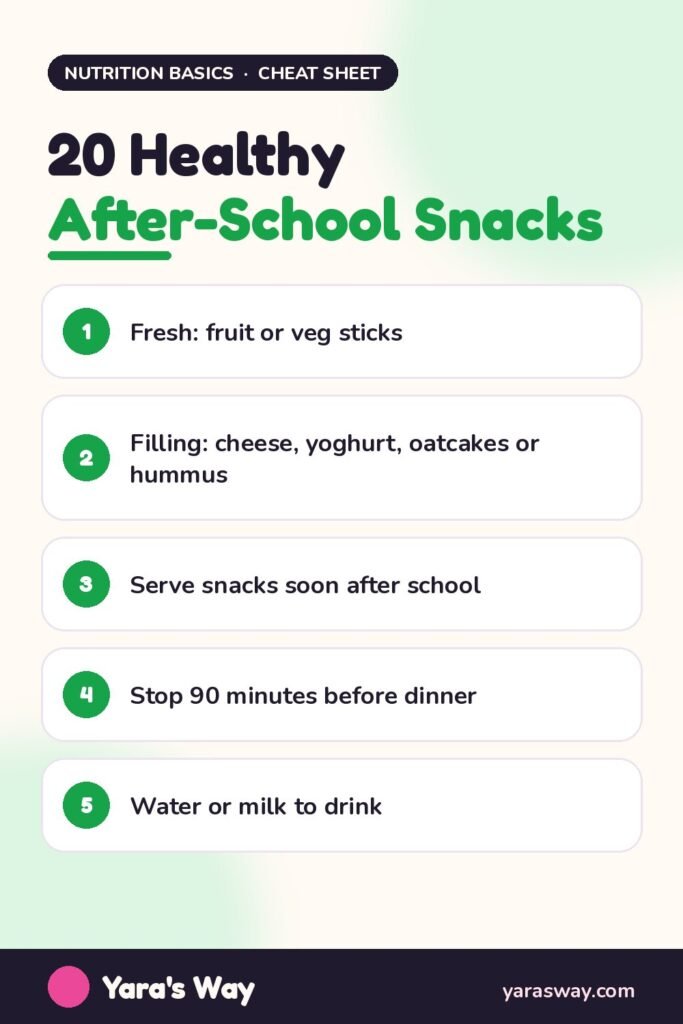
- Pair something fresh (fruit or veg) with something filling (protein or healthy fat).
- Leave about two hours between the snack and dinner so children come to the table hungry.
Why after-school snacks matter
Children have small stomachs and big energy needs. By mid-afternoon, lunch is often a distant memory — especially if half the lunchbox came home. A good snack bridges the gap, helps concentration for homework or activities, and takes the edge off the “hangry” meltdowns that can derail an evening.
The goal isn’t a mini-meal, and it isn’t a treat. It’s a top-up that keeps your child going without spoiling dinner.
The simple snack formula: fresh + filling
Fruit and vegetables give a quick, natural lift and add fibre and vitamins. On their own, though, they don’t keep hunger away for long. Adding a little protein or healthy fat slows digestion, so energy lasts. So every snack follows one rule:
One fresh thing + one filling thing.
- Fresh: apple, pear, banana, berries, grapes (quartered for young children), carrot, cucumber, pepper, sugar snap peas.
- Filling: cheese, yogurt, milk, hummus, nut or seed butter, egg, wholegrain crackers, oatcakes.
20 healthy after-school snacks
Five-minute, no-cook snacks
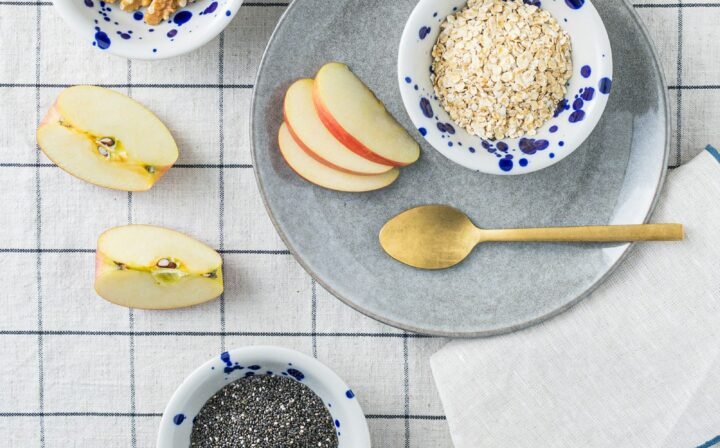
- Apple nachos with a drizzle of nut or seed butter.
- Carrot and cucumber sticks with hummus.
- Banana with a small glass of milk.
- Plain yogurt topped with berries and a sprinkle of oats.
- Cheese cubes and grapes (quartered for under-fives).
- Oatcakes with cream cheese and cucumber.
- Pepper strips with guacamole.
- Pear slices with a few cubes of cheddar.
Make-ahead snacks
- Beetroot pink muffins — freeze a batch and defrost as needed.
- Hard-boiled eggs (keep three days in the fridge).
- Homemade popcorn for older children (not suitable for under-fives).
- Mini savoury muffins with cheese and sweetcorn.
- Energy balls made with oats, dates and seed butter.
- Roasted chickpeas with a pinch of paprika.
Blended and frozen snacks
- A strawberry banana smoothie with yogurt.
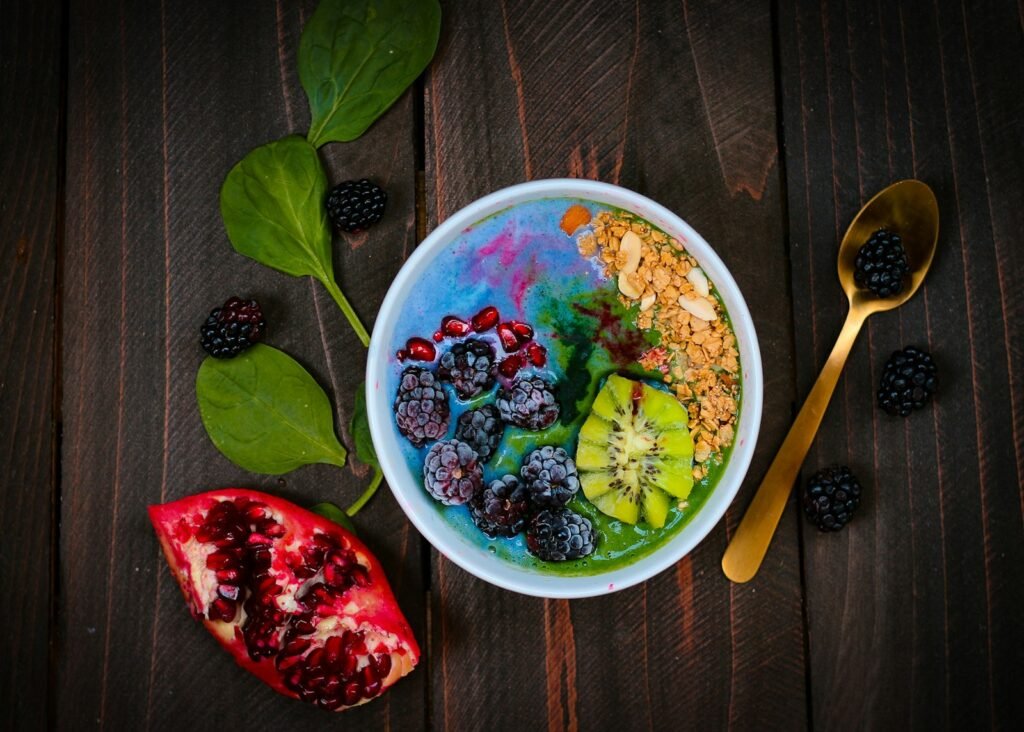
- A green monster smoothie with hidden spinach.
- Frozen yogurt “bark” with berries.
- Smoothie ice lollies made from leftover smoothie.
- Frozen banana slices dipped in yogurt.
- Frozen peas — surprisingly popular as a crunchy summer snack for older kids!
Timing: the secret to after-school snacks that don’t spoil dinner
The most common snack problem isn’t what children eat — it’s when. A big snack at 5pm almost guarantees a dinner-time standoff at 6pm.
- Snack soon after school, ideally around two hours before dinner.
- If dinner is late, make the snack a little bigger and dinner a little smaller, rather than both.
- Avoid grazing. A set snack time stops the constant “can I have something?” and helps children recognise real hunger.
- Water is the best drink between meals. Juice and smoothies are kinder to teeth with a meal or planned snack than sipped all afternoon.
Can after-school snacks include treats?
There’s room for treats in a healthy diet. Treating them as normal, occasional foods — rather than forbidden or as rewards — helps children develop a relaxed relationship with them. A practical approach is to keep treats for weekends or special occasions, and make the everyday after-school snack something nourishing. For more ideas, read our guide to cutting back on sugar without the tantrums.
After-school snacks safety for little ones
- Quarter small round foods such as grapes, cherry tomatoes and berries for young children.
- Don’t give whole nuts or popcorn to children under five.
- Use nut butters as a spread, not by the spoonful.
- Always supervise children while they eat, and have them sit down for snacks.
Build an after-school snacks station
One of the easiest ways to make healthy snacking automatic is a “snack station” — a shelf in the fridge and a box in the cupboard with pre-approved options. Older children can help themselves (and feel grown-up doing it), while you know every choice is a good one. Restock on Sunday as part of your weekly meal prep and the after-school rush gets a whole lot calmer.
After-school snacks by age
Children’s needs change as they grow, so after-school snacks should too. For nursery and reception children, keep after-school snacks small: half a banana and a few crackers is plenty. Primary school children often need more, especially after sport or clubs, so a yoghurt with fruit and an oatcake works well. Older children and teenagers can be genuinely ravenous, and a more substantial snack, like beans on toast or a wrap, may be best.
Whatever their age, keep after-school snacks at a regular time and avoid grazing until dinner. For younger children, see our toddler snacks guide; for the lunchbox, try our lunchbox snacks. Good after-school snacks bridge the gap to dinner without spoiling it.
Frequently asked questions
How many snacks should children have a day?
Most children do well with three meals and two or three planned snacks, for example one mid-morning and one after school. Planned snacks at regular times work much better than constant grazing, which can blunt appetite at meals and is harder on teeth.
My child comes home starving. Should I just serve dinner early?
That can work brilliantly. Some families serve an early “mini dinner” straight after school, such as a bowl of pasta or soup, and then a lighter supper later. Others bring dinner forward by an hour. Choose whatever fits your routine and your child’s appetite.
Are cereal bars good after-school snacks?
Some are, many aren’t. Lots of bars and fruit snacks marketed to children are high in sugar and stick to teeth. Check the label, compare brands and keep them as an occasional option rather than the everyday snack.
What drinks go best with after-school snacks?
Water or milk. Sugary drinks add a lot of sugar to an otherwise healthy snack. Our guide to the best drinks for kids explains what to offer at each age.
The bottom line
A good after-school snack is planned, simple and filling: something fresh plus something with protein or wholegrains, served at a set time and with water or milk. Get that routine in place and most of the afternoon battles disappear, along with the “I’m starving” meltdowns before dinner. Keep a few make-ahead options in the freezer and the snack station stocked, and the healthy choice becomes the easy one.
Sources and further reading