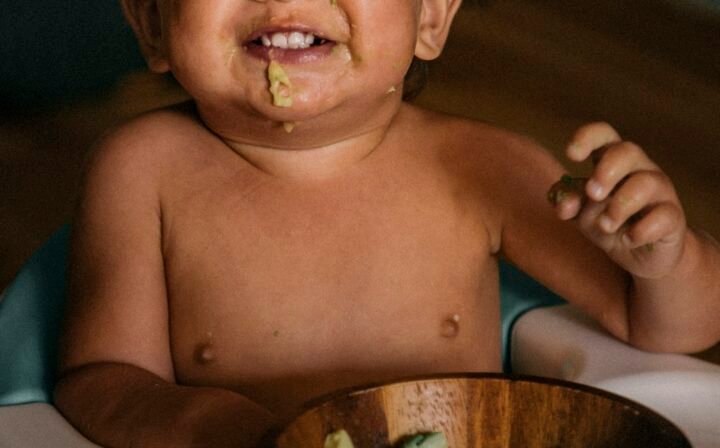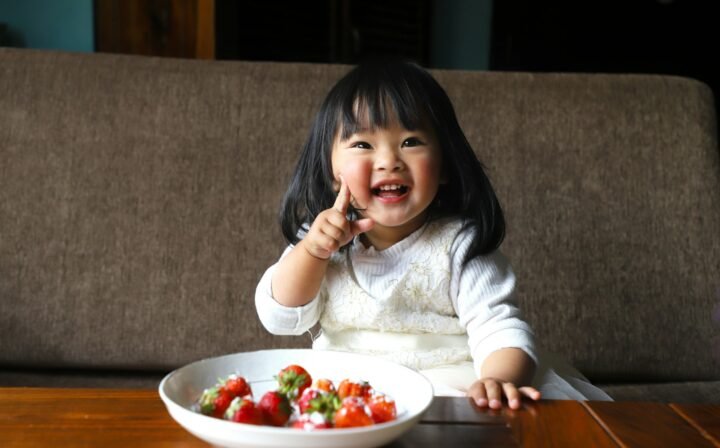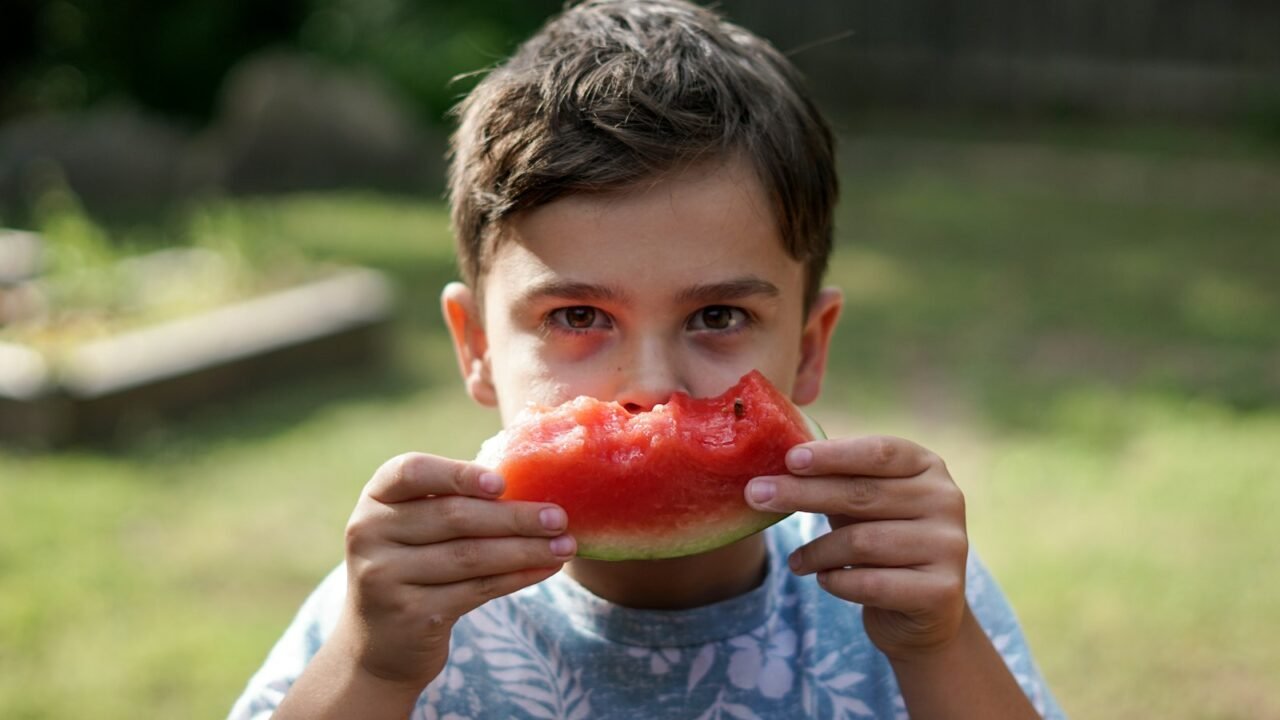
Trying new foods is a big deal for a small child. A new food looks different, smells different and might feel strange in the mouth. It’s no wonder so many children say “yuck” before it even reaches their lips.
This caution is completely normal, and it usually passes. The trick is to make trying new foods feel safe, playful and low-pressure. Here are 12 fun ideas we use at home, plus the science of why patience pays off.
Key takeaways
- Most children are wary of unfamiliar food, especially between the ages of two and five.
- Repeated, relaxed exposure is the most reliable way to help kids accept new foods.
- Games, cooking and choice make trying new foods fun rather than frightening.
- Pressure, bribes and battles usually make things worse.
Why trying new foods is hard for kids
Being careful about unfamiliar food is a natural instinct, and it tends to peak in the toddler and preschool years. Many children also prefer predictable tastes and textures, which is why plain pasta, bread and crackers are such popular “safe” foods.
The good news is that familiarity breeds acceptance. The NHS advises that you may need to offer a new food many times before your child accepts it, so a first “no” is just the start of the process, not the end.
12 fun ideas for trying new foods
1. The tiny taste
Put a single pea-sized piece of the new food on the plate next to foods your child already likes. A small amount feels far less overwhelming than a full portion.
2. A family taste test
Line up three versions of one food, like three apples or three cheeses. Everyone tastes each one and gives it a score out of five. Trying new foods becomes a game, and there’s no wrong answer.
3. Rate it with emojis
Make a simple chart with faces from “love it” to “not yet”. “Not yet” is an important option, because it tells your child that tastes can change.
4. Shopping challenge
Let your child choose one new fruit or vegetable every time you go shopping. Children are much more willing to try foods they picked themselves.
5. Cook it together
Washing, tearing, stirring and sprinkling all build familiarity. A child who made the salad is far more likely to taste it. See our guide to cooking with kids by age for jobs that suit every stage.
6. Grow something
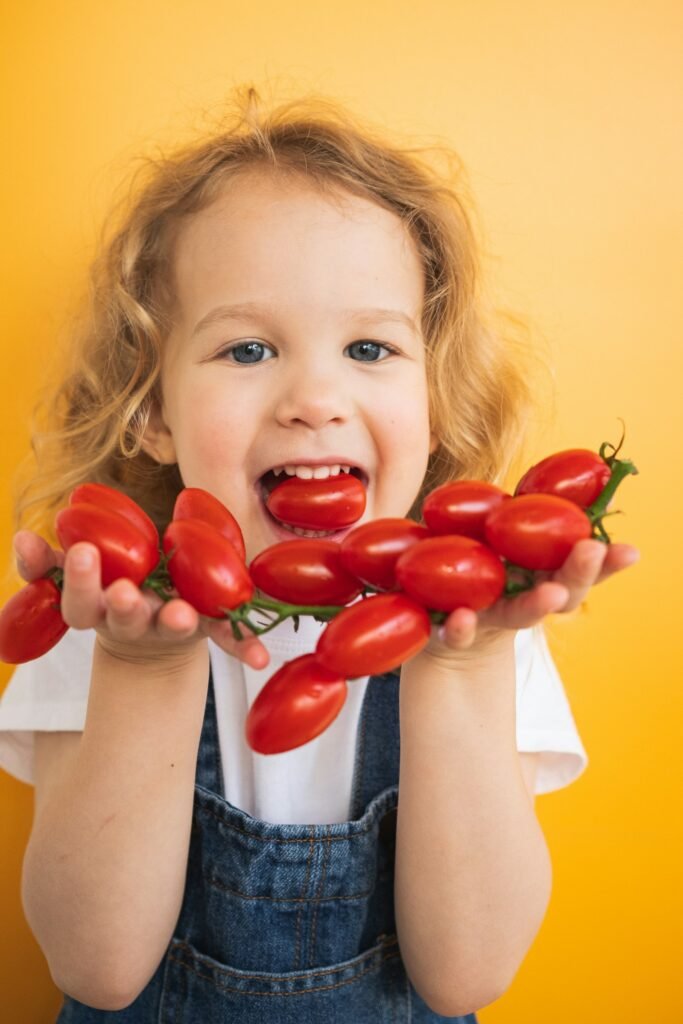
Cress, herbs, cherry tomatoes and peas are easy to grow on a windowsill or in a pot. Picking something you grew is exciting, and tasting it is the natural next step.
7. Build-your-own meals
Tacos, wraps and mini veggie pizzas let children add toppings themselves. Put a new topping in a small bowl and let them decide whether to use it.
8. Dips make everything better
A familiar dip, such as hummus, yoghurt or a mild cheese sauce, makes new vegetables feel friendlier. Dunking is also fun.
9. Change the shape
Cucumber stars, carrot ribbons and apple “nachos” look exciting. Our Crunchy Apple Nachos are a favourite for this reason.
10. Food chaining
Link a new food to one your child already loves, changing only one thing at a time. Read our step-by-step guide to food chaining.
11. Eat the rainbow
Challenge the family to eat something of every colour this week. A colour chart turns trying new foods into a mission. Our eat the rainbow guide has a free printable chart.
12. Model it
Children copy what they see. Eat the new food yourself, talk about how it tastes (“crunchy and sweet!”), and enjoy it without making a fuss about whether your child joins in.
What not to do when trying new foods
- Don’t pressure. “Just one bite” rules and forced tasting can make children more anxious about food.
- Don’t bribe with dessert. It teaches children that vegetables are the punishment and pudding is the prize.
- Don’t label your child. Calling a child “fussy” in front of them can become a self-fulfilling story.
- Don’t give up after one try. Keep offering, calmly and casually, over weeks.
If mealtimes have become stressful, our tips on ending mealtime battles can help reset the mood.
How many times should I offer a new food?
Many children need around 10 or more exposures before they accept a new food, and some need more. An exposure doesn’t have to mean eating it. Seeing it on the table, touching it, smelling it or licking it all count as steps forward.
Keep a simple note of what you’ve offered and how your child reacted. Over a few weeks, you’ll often see progress you would otherwise miss.
Great first foods for trying new foods
Start with foods that are close to what your child already likes:
- Sweet vegetables: carrots, sweetcorn, peas and sweet potato.
- Mild fruits: banana, melon, pear and blueberries (cut small for young children).
- Familiar formats: a new fruit in a smoothie, or a new vegetable on pizza.
- Crunchy options: cucumber, sugar snap peas and red pepper strips.
A one-week plan for trying new foods
If you’d like some structure, try this gentle plan. Pick one new food for the week and keep everything else familiar.
- Monday: buy or pick the new food together and talk about its colour and shape.
- Tuesday: wash it, touch it and smell it while you cook. No tasting required.
- Wednesday: put one tiny piece on the plate next to a favourite food.
- Thursday: offer it with a familiar dip.
- Friday: serve it in a different form, such as roasted, grated or blended.
- Weekend: have a family taste test and record everyone’s score.
Trying new foods this way spreads lots of small exposures across the week, and the routine helps anxious children know exactly what to expect. Next week, choose another food, and keep last week’s new food in the rotation.

Frequently asked questions
At what age do kids become fussy about trying new foods?
Wariness of new foods often appears around the age of two and can last until five or six. It’s a normal stage of development and most children grow out of it.
Should I make my child try one bite?
It’s usually better not to insist. Invite your child to taste, but let them decide. Children who feel in control are more likely to try new foods over time.
What if my child only eats a handful of foods?
If your child eats a very limited range of foods, is losing weight, or meals are causing real distress, talk to your GP or health visitor. Our picky eater survival guide explains when to get help.
The bottom line
Trying new foods is a skill children learn slowly, through many small, relaxed experiences. Keep portions tiny, make it playful, involve your child in shopping and cooking, and offer foods again and again without pressure. One day, that “yuck” will quietly turn into “can I have more?”
Sources and further reading