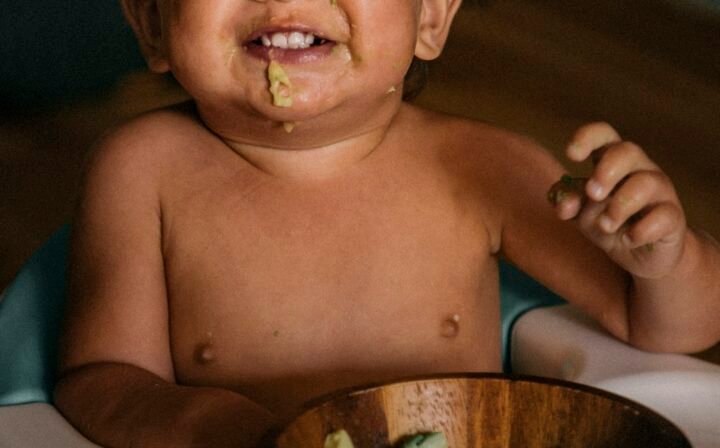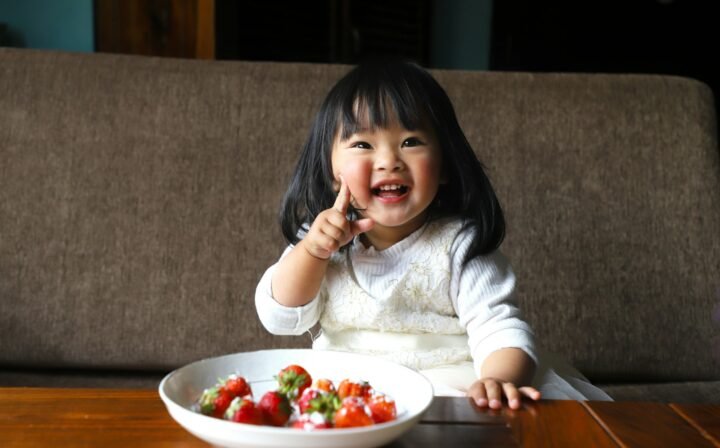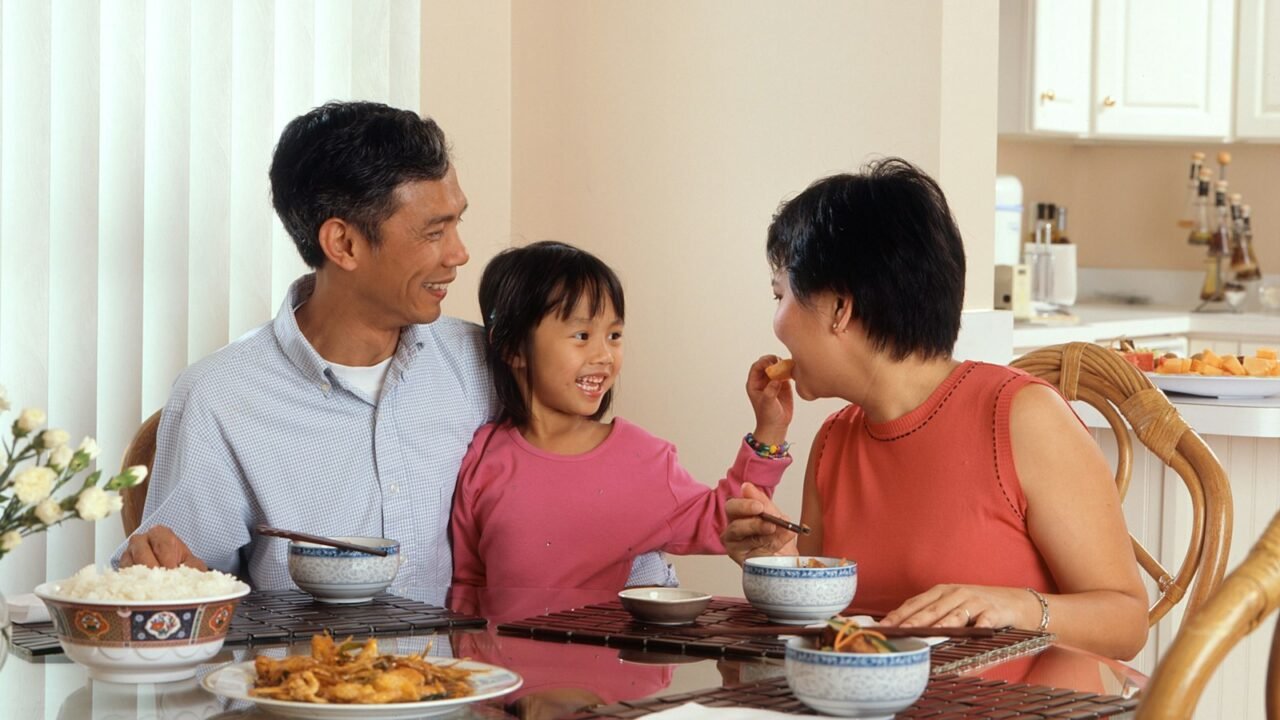
The division of responsibility is a simple feeding approach that has helped countless families end the daily struggle over food. It was developed by the American dietitian and family therapist Ellyn Satter, and it’s built on one idea: parents and children each have their own jobs at mealtimes.
When everyone sticks to their own job, the pressure disappears, children learn to listen to their appetite, and meals become calmer. Here’s how the division of responsibility works, why it helps picky eaters, and how to put it into practice at home.
Key takeaways
- Parents decide what food is served, when it’s served and where the family eats.
- Children decide whether to eat and how much to eat from what’s offered.
- The division of responsibility removes pressure, which often helps picky eaters try more.
- It works best with regular meals, family food and a safe option on the table.
What is the division of responsibility?
According to the Ellyn Satter Institute, the division of responsibility splits feeding into two sets of jobs.
The parent’s jobs
- What: choose the food for family meals and snacks.
- When: serve meals and snacks at regular times, without food or drink handouts in between.
- Where: choose a place to eat together, such as the kitchen table.
The child’s jobs
- Whether: decide whether to eat the food that’s offered.
- How much: decide how much to eat of the food that’s offered.
That’s it. The jobs stay the same from toddlerhood to the teenage years; what changes is how you apply them as your child grows.
Why the division of responsibility works
Children are born with a good sense of when they’re hungry and full. Pressure, whether it’s “one more bite”, bribes or praise for clean plates, teaches them to ignore those signals. It also turns food into a power struggle, which is why so many families get stuck in mealtime battles.
The division of responsibility takes the pressure away. When a child knows nobody will force them, new foods feel less threatening. Over time, many children become more curious and more willing to taste. Meanwhile, parents still control the menu, so the overall diet stays healthy.
How to use the division of responsibility at home
1. Plan the menu, but include a safe food
Serve the family meal, and make sure there’s at least one food your child usually eats, such as bread, rice or fruit. You’re not cooking to order, but you’re making it possible for your child to eat something.
2. Set regular meal and snack times
Most children do well with three meals and two or three snacks, spaced every two to three hours. Between those times, the kitchen is “closed” apart from water. This helps children arrive at the table hungry.
3. Let your child serve themselves
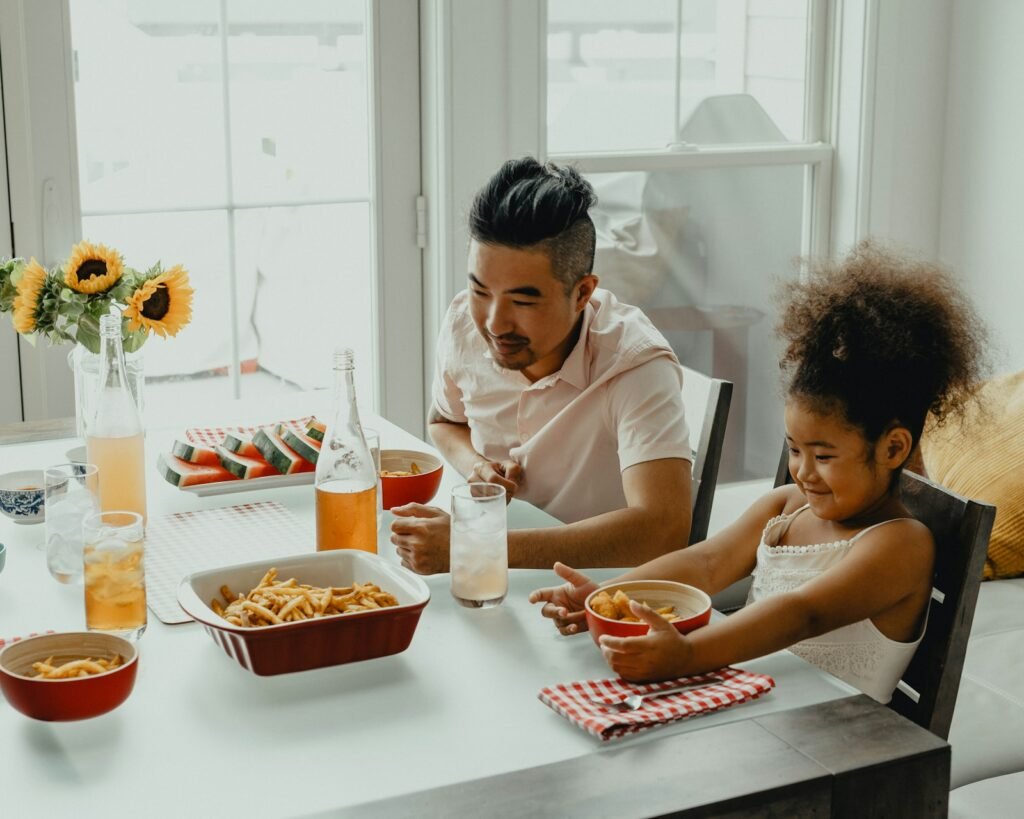
Family-style serving, with dishes in the middle of the table, lets children choose what and how much to put on their plate. Even toddlers can manage with a little help.
4. Stay neutral about eating
Avoid praising, bribing or commenting on how much your child eats. Chat about other things instead. If they eat nothing, that’s their decision; they’ll eat at the next meal or snack.
5. Make mealtimes pleasant
Turn off screens, sit together and enjoy the time. The division of responsibility works best when meals feel relaxed and social.
Common worries about the division of responsibility
“Won’t my child just eat bread?”
At first, some children fill up on the safe food. That’s okay. Serve sensible portions of the safe food and keep offering the rest of the meal. Over weeks, most children branch out once the pressure is gone.
“What if they only eat pudding?”
Many families serve a small dessert alongside the meal, so it carries no special power. Children may eat it first; that’s fine. You decide what’s on the menu, including whether dessert is part of it.
“Won’t they be hungry later?”
Possibly, but the next planned snack or meal is never far away. Hold the routine calmly, and children quickly learn to eat when food is offered.
The division of responsibility at different ages
| Age | What it looks like |
|---|---|
| Toddlers | Regular meals and snacks, finger foods, a safe food on the tray, plenty of messy exploring. |
| Preschoolers | Family-style serving, small portions, helping with simple kitchen jobs. |
| School-age | Packing their own lunchbox from the options you provide, helping plan family meals. |
| Teenagers | Regular family meals still matter, with more freedom over snacks and portions. |
Pairing it with other strategies
The division of responsibility is a foundation, not the whole house. Combine it with gentle exposure ideas from our guide to trying new foods, the step-by-step approach of food chaining, and practical plate ideas from our article on toddler meals.
When the division of responsibility isn’t enough
For most families, this approach is enough to settle fussy eating. But talk to your GP or health visitor if your child eats a very small range of foods, is losing weight or not growing as expected, regularly gags or vomits, or shows signs of anxiety around food. Some children need extra support from a dietitian or feeding therapist.

Frequently asked questions
Does the division of responsibility mean children can eat whatever they want?
No. Parents still decide what food is offered. Children choose only whether and how much to eat from what’s on the table.
Can I still encourage my child to try new foods?
Yes, gently. Serve new foods often, eat them yourself and talk about them positively, but don’t pressure or reward eating.
Is the division of responsibility suitable for babies?
For babies, the parent decides what to offer and the baby decides how much. As your child grows, you add structure around when and where.
The bottom line
The division of responsibility gives parents and children clear, fair jobs at the table. You provide good food at regular times in a pleasant place; your child decides whether and how much to eat. It sounds simple because it is, and for many families it’s the change that finally brings peace to mealtimes.
Sources and further reading